
ANNONCE
Holiday Ornament Cookies: The Real Traditional Recipe
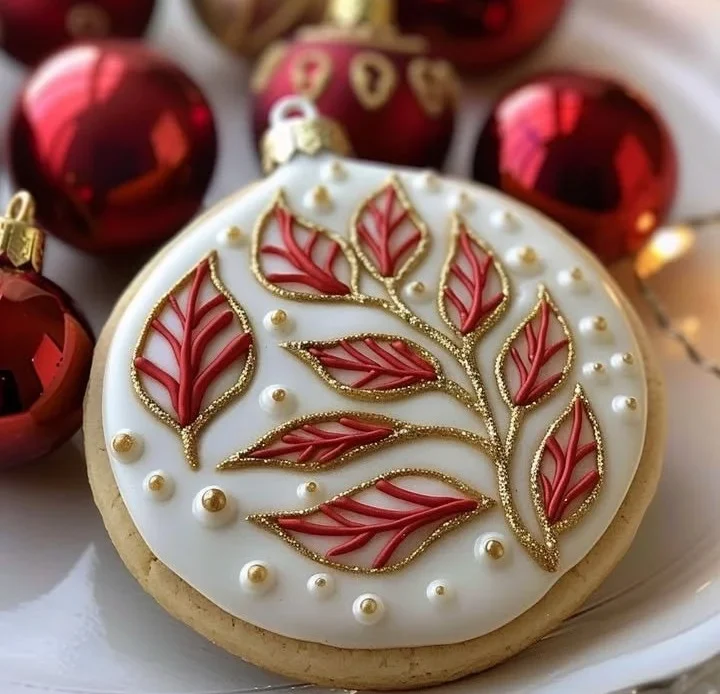
Holiday Ornament Cookies are a delightful tradition that embodies the spirit of the festive season. These cookies, often decorated with vibrant icing and intricate designs, serve not just as sweet treats but also as decorative ornaments that add beauty to holiday celebrations. In this article, we delve into the history, essential ingredients, preparation methods, variations, and frequently asked questions about this cherished holiday recipe.
Why is Flour Used in Holiday Ornament Cookies?
The Benefits and Culinary History of Flour
Flour is the cornerstone of most baked recipes, and Holiday Ornament Cookies are no exception. This fine powder is made from milling grains, most commonly wheat. The gluten proteins in flour are crucial for giving cookies their structure and texture. When water is added, these proteins bond and provide the elasticity that aids in rising and shaping the dough.
Historically, flour has been a staple in human diets for thousands of years, dating back to ancient civilizations. The specific use of flour in cookies can be traced back to medieval Europe, where sweetened doughs were formed and baked as seasonal treats. In the context of Holiday Ornament Cookies, flour not only provides the necessary substance but also represents the essential agricultural traditions associated with the celebration of harvests and winter festivities.
Possible Alternatives to Replace Flour
For those with gluten sensitivities or who seek alternative flours, options abound. Common substitutes include almond flour, coconut flour, and gluten-free all-purpose flour blends. Each alternative offers distinct flavors and textures, allowing for creativity in cookie crafting while catering to various dietary needs.
ANNONCE
Ingredients in Holiday Ornament Cookies
Basic Products
To make Classic Holiday Ornament Cookies, the following essential ingredients are required:
- 2 3/4 cups all-purpose flour
- 1 tablespoon baking powder
- 1/2 teaspoon salt
- 1 cup unsalted butter, softened
- 1 1/2 cups granulated sugar
- 1 large egg
- 1 teaspoon vanilla extract
Essential Seasonings or Add-ins
Moreover, to elevate the flavor profile and visual appeal, consider incorporating:
- Ground spices like cinnamon and nutmeg
- Zest from citrus fruits (lemon or orange)
- Food coloring for decorating icing
- Edible glitter or sprinkles for added festive flair
Preparation of Holiday Ornament Cookies
Step 1 – Preparing the Ingredients
Begin by gathering the essential ingredients. Ensure that the butter is softened to room temperature for easy creaming with sugar. It is advisable to sift the flour, baking powder, and salt together to achieve a uniform mixture and eliminate lumps.
Step 2 – Pre-Cooking or Special Preparation
In a spacious mixing bowl, cream together the butter and sugar until the mixture becomes light and fluffy, typically requiring around 5 minutes of mixing. This creaming process is crucial as it incorporates air, resulting in a softer texture for the cookies. Add the egg and vanilla extract, mixing until fully combined. Gradually incorporate the sifted dry ingredients, stirring until a soft dough forms.
ANNONCE
Step 3 – Mixing and Assembling
Distribute the dough evenly into 2-3 portions, wrap them in plastic wrap, and refrigerate for at least 1 hour. Chilling the dough not only makes it easier to roll out but also intensifies the flavors.
Step 4 – Cooking and Finishing
Preheat your oven to 350°F (175°C). Once the dough is chilled, roll it out on a floured surface to a thickness of about 1/4 inch. Use cookie cutters to shape the cookies, and transfer them to parchment-lined baking sheets. Bake for 8-10 minutes or until the edges begin to turn a light golden brown. Allow the cookies to cool completely before decorating with your choice of icing and sprinkles.
Variations and Adaptations of Holiday Ornament Cookies
Regional or Traditional Version
Regional variations of Holiday Ornament Cookies often celebrate local ingredients or seasonal spices. For example, in some Scandinavian countries, spices such as ginger and cardamom are incorporated, creating a warmly aromatic cookie reminiscent of their festive traditions.
Modern or Revisited Version
Contemporary iterations of these cookies may include trendy flavors such as matcha or chai spices, reflecting a modern palate. Furthermore, plant-based substitutes can be utilized to create vegan versions without sacrificing taste or texture.
ANNONCE
Adaptations to Suit Your Tastes
The basic dough can be adapted to accommodate various preferences. For a healthier version, consider using whole-wheat flour or substituting some sugar with natural sweeteners like honey or maple syrup. You may also customize the spice levels or add dried fruit or nuts for a unique twist.
Frequently Asked Questions about Holiday Ornament Cookies
Q: Can I make the dough in advance?
A: Yes, the dough can be made ahead of time and stored in the refrigerator for up to 3 days or frozen for three months. Just be sure to thaw it in the refrigerator overnight before rolling out.
Q: How can I store decorated cookies?
A: Store decorated cookies in an airtight container at room temperature for up to one week. If the cookies are layered, separate them with parchment paper to avoid sticking.
Q: What is the best way to decorate the cookies?
A: Royal icing is a popular choice for decorating Holiday Ornament Cookies due to its smooth finish and ability to hold intricate designs. Alternatively, you can use store-bought icing for quick and easy decorating.
ANNONCE
Q: Can these cookies be made gluten-free?
A: Absolutely! You can substitute all-purpose flour with gluten-free flour blends to make these cookies suitable for those with gluten sensitivities.
In conclusion, Holiday Ornament Cookies not only provide a delightful treat during the festive season but also serve as a canvas for expressions of creativity and tradition. By understanding the ingredients, preparation methods, and potential variations, one can fully appreciate the art and joy of baking these cherished cookies.