ANNONCE
Weekend Pastries: The Real Traditional Recipe
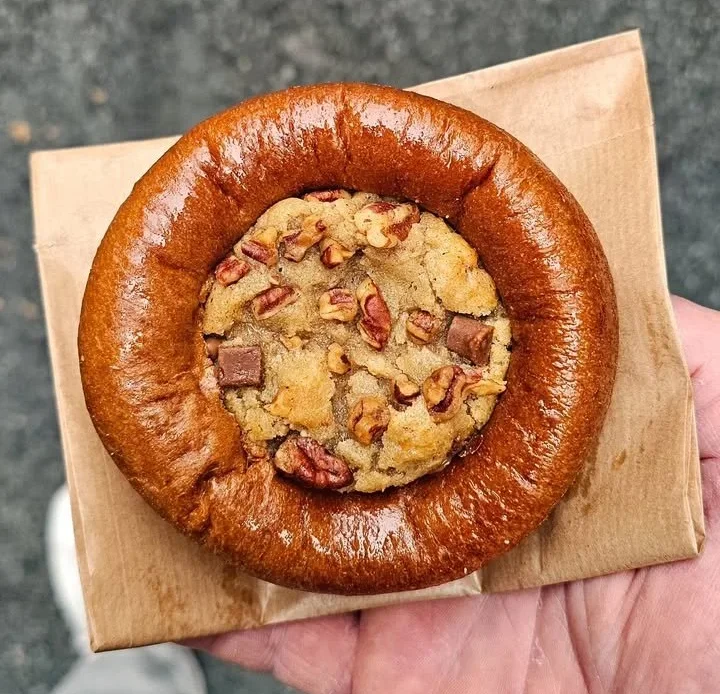
Weekend pastries are synonymous with comfort, indulgence, and the joyous culmination of a week’s endeavors. These delightful treats, often synonymous with family gatherings and leisurely Sunday mornings, carry a wealth of culinary tradition and creativity. In this article, we delve into the real traditional recipe behind these pastries, exploring their key ingredients, variations, and much more.
Why is Flour Used in Weekend Pastries?
Flour, often regarded as the backbone of baked goods, plays a fundamental role in the texture and structure of weekend pastries. The type of flour commonly employed is all-purpose flour, which offers a balanced protein content ideal for achieving fluffy and tender pastries.
The Benefits and Culinary History of Flour
The history of flour can be traced back thousands of years, with its use deeply rooted in agricultural societies. It serves as the primary source of carbohydrates in many diets worldwide. Moreover, the gluten formed when flour is combined with liquid is crucial for giving pastries their structure. This elasticity allows pastries to rise and provides a satisfying mouthfeel.
Possible Alternatives to Replace Flour
For those with dietary restrictions or preferences, there are several alternatives to traditional flour:
ANNONCE
- Almond Flour: A low-carb option that adds a nutty flavor.
- Coconut Flour: High in fiber and very absorbent, suitable for gluten-free recipes.
- Oat Flour: Made from ground oats, it provides a wholesome taste and is an excellent gluten-free substitute.
Ingredients in Weekend Pastries
Creating weekend pastries involves selecting the right ingredients that work harmoniously together. Below, we break them down.
Basic Products
- Flour: All-purpose flour is the go-to choice, though alternatives exist based on preferences.
- Butter: Unsalted butter adds flavor and contributes to flaky texture.
- Sugar: Granulated sugar is typically used for sweetness and structural integrity.
- Eggs: Essential for binding and moisture, they also aid in leavening.
- Milk or Cream: Adding richness, these ingredients provide moisture and contribute to a tender crumb.
Essential Seasonings or Add-ins
- Vanilla Extract: Enhances sweetness and rounds out flavors.
- Salt: Balances sweetness and elevates overall taste.
- Baking Powder: A leavening agent that helps achieve the desired rise in pastries.
Preparation of Weekend Pastries
Creating perfect weekend pastries is an art form that combines technique and heart. Here, we outline the preparation steps.
Step 1 – Preparing the Ingredients
Begin by gathering and measuring all the ingredients accurately. This ensures a smooth preparation process. Room temperature butter and eggs are ideal for better emulsification and incorporation.
Step 2 – Pre-Cooking or Special Preparation
If using fruits or other such ingredients, consider pre-cooking them to avoid excess moisture in the final product. For example, if adding berries, gently simmer them with a bit of sugar to create a rich filling.
ANNONCE
Step 3 – Mixing and Assembling
In a mixing bowl, cream the butter and sugar together until light and fluffy. Add the eggs one at a time, mixing well after each addition. Gradually add flour, salt, and baking powder, mixing until just combined to avoid overworking the dough.
Step 4 – Cooking and Finishing
Transfer the mixture to a prepared baking dish. Preheat the oven to 350°F (175°C) and bake according to the recipe’s instructions, usually around 25-35 minutes, until golden brown and a toothpick comes out clean. Allow cooling before dusting with powdered sugar or glazing.
Variations and Adaptations of Weekend Pastries
Weekend pastries have various adaptations based on regional tastes and modern culinary trends.
Regional or Traditional Version
In many cultures, traditional weekend pastries vary significantly:
ANNONCE
- Croissants: A French classic known for its flaky, buttery texture.
- Pirozhki: A Russian treat filled with meats, vegetables, or sweet fillings.
Modern or Revisited Version
Modern adaptations often incorporate unique flavors and health-conscious ingredients:
- Matcha Croissant: Infused with matcha for a vibrant green color and earthy flavor.
- Vegan Pastries: Utilizing plant-based butters and aquafaba instead of eggs for binding.
Adaptations to Suit Your Tastes
Consider customizing the basic recipe to meet dietary preferences:
- Gluten-Free: Use a gluten-free flour blend.
- Lower Sugar: Substitute with natural sweeteners like honey or agave.
- Spicy Version: Add spices like cinnamon or nutmeg for warmth and depth.
Frequently Asked Questions about Weekend Pastries (FAQ)
1. Can I make weekend pastries ahead of time?
Yes, many pastries can be prepared a day ahead. Allow them to cool completely before storing in an airtight container.
2. How can I achieve a flaky texture in my pastries?
Use cold butter and handle the dough as little as possible to prevent gluten development, which can make pastries tough.
ANNONCE
3. What’s the best way to store leftover pastries?
Store in an airtight container at room temperature for 2-3 days. For longer storage, consider freezing them.
4. Are there healthier alternatives to traditional pastries?
Absolutely! You can replace white flour with whole wheat or nut flours and reduce sugar content while incorporating fruits for natural sweetness.
In conclusion, weekend pastries embody the joy of cooking and the delight of sharing with loved ones. By understanding the essential ingredients, preparation methods, and adaptations, you too can create delicious, memorable pastries that are sure to impress. Happy baking!