
ANNONCE
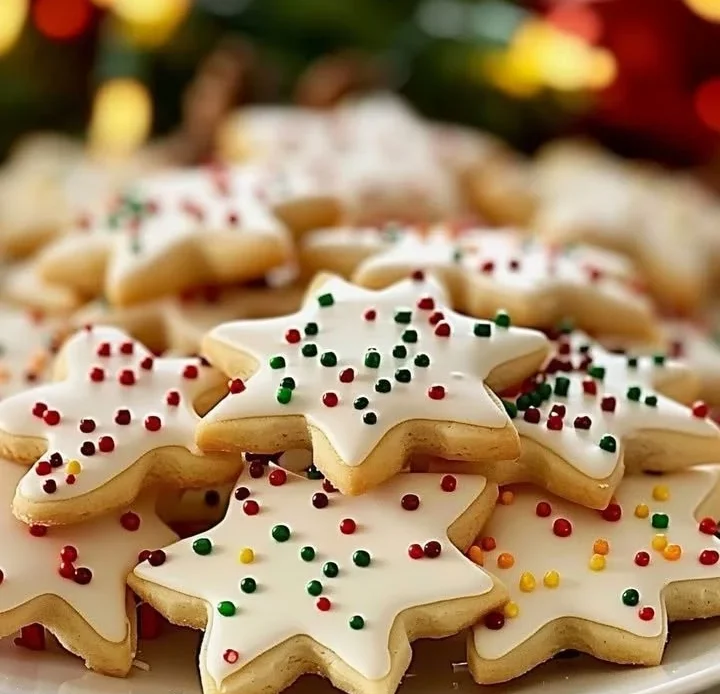
Soft Christmas Cookies: The Real Traditional Recipe
The tradition of baking cookies during the Christmas season is a cherished practice that spans generations and cultures. Soft Christmas cookies, in particular, evoke nostalgia and warmth, becoming a beloved staple on holiday tables around the world. This article will explore the traditional recipe for these delightful confections, highlighting essential ingredients, preparation steps, variations, and common questions about this festive treat.
Why is Butter Used in Soft Christmas Cookies?
The Benefits and Culinary History of Butter
Butter is a key ingredient in soft Christmas cookies, serving as a primary fat that contributes to their rich flavor and tender texture. Historically, butter has been a staple in baking for centuries, originating from ancient cultures that valued its creamy consistency and ability to enhance flavors. The use of butter adds moisture to the dough, which helps the cookies remain soft and prevents them from becoming overly crispy.
Additionally, butter contains milk solids and water, which contribute to the cookie’s structure during baking. As it melts, the water evaporates and creates steam, causing the cookies to puff up before settling into their soft, chewy final form. The flavor compounds in butter also enhance the overall taste, making it a preferred fat in traditional recipes.
Possible Alternatives to Replace Butter
While butter is traditional, there are several alternatives for those who may want a dairy-free option or need to accommodate dietary restrictions. Common substitutes include:
ANNONCE
- Coconut Oil: Imparts a subtle coconut flavor and provides a similar texture.
- Vegetable Oil: A neutral flavor option that can help maintain moisture.
- Applesauce or Pumpkin Puree: Great for those seeking a healthier alternative, though they can alter the texture and flavor.
- Margarine: A non-dairy option that closely mimics butter’s properties.
Ingredients in Soft Christmas Cookies
Basic Products
The classic soft Christmas cookie recipe typically includes the following basic ingredients:
- Flour: All-purpose flour is the main structure-building component.
- Sugar: Granulated sugar sweetens the cookies, while brown sugar adds moisture and richness.
- Baking Powder: A leavening agent that allows the cookies to rise slightly.
- Eggs: Provide structure and moisture to the dough.
- Vanilla Extract: Enhances flavor, contributing to the cookies’ aromatic profile.
- Salt: Balances sweetness and brings out flavors.
Essential Seasonings or Add-ins
To add depth to the soft Christmas cookies, various seasonings and add-ins are included, such as:
- Spices: Ground cinnamon, nutmeg, and ginger evoke the scents of the winter season.
- Chocolate Chips or Nuts: Adding semi-sweet chocolate chips, white chocolate chips, or chopped nuts introduces delightful texture and flavor variations.
- Frosting or Icing: For a festive touch, cookies can be decorated with royal icing or buttercream.
Preparation of Soft Christmas Cookies
Step 1 – Preparing the Ingredients
Before beginning the baking process, gather all necessary ingredients, allowing items like butter to reach room temperature for easier creaming. Pre-measure the flour, baking powder, and salt to streamline the mixing process.
Step 2 – Pre-Cooking or Special Preparation
Cream the softened butter and sugars together until light and fluffy, which can take about 3-5 minutes using a handheld or stand mixer. This step is crucial as it incorporates air into the mixture, resulting in a lighter texture.
ANNONCE
Step 3 – Mixing and Assembling
Gradually incorporate the eggs, one at a time, mixing well after each addition. Add the vanilla extract. In a separate bowl, whisk together the flour, baking powder, and salt. Slowly mix the dry ingredients into the wet mixture until just combined. Be careful not to overmix, as this can lead to tougher cookies.
Step 4 – Cooking and Finishing
Preheat the oven to 350°F (175°C). Line baking sheets with parchment paper. Drop spoonfuls of dough onto the prepared baking sheets, spacing them apart to allow room for spreading. Bake for 8-10 minutes or until the edges are golden but the centers are still soft. Remove from the oven and let cool on the baking sheet for a few minutes before transferring to a wire rack.
Variations and Adaptations of Soft Christmas Cookies
Regional or Traditional Version
Certain regions have developed their distinctive takes on soft Christmas cookies. For example, in Scandinavian countries, spice cookies known as pepparkakor are popular, often incorporating cardamom and ground pepper, yielding a unique flavor profile.
Modern or Revisited Version
Modern adaptations of soft Christmas cookies can include innovative flavors, such as peppermint bark, matcha, or even incorporating seasonal fruits like cranberries or lemon zest for a refreshing twist.
ANNONCE
Adaptations to Suit Your Tastes
For those looking to cater to specific dietary preferences, various adaptations can be made. Vegetarian versions can easily accommodate egg substitutes, while gluten-free alternatives can be created using almond flour or a gluten-free flour blend. Additionally, one could experiment by adding a kick of spice with cayenne pepper or a hint of citrus by adding lemon or orange zest.
Frequently Asked Questions about Soft Christmas Cookies (FAQ)
Q1: How do I make my soft Christmas cookies thicker?
A1: To achieve thicker cookies, chill the dough for at least 30 minutes before baking. This prevents spreading and allows the cookies to maintain their shape.
Q2: Can I freeze soft Christmas cookies?
A2: Yes! You can freeze unbaked cookies by scooping the dough onto a baking sheet and placing it in the freezer until frozen solid. Then transfer the frozen dough to a freezer-safe bag. When you’re ready, bake straight from the freezer, adding a few extra minutes to the baking time.
Q3: How do I ensure my cookies stay soft?
A3: Underbake your cookies slightly, allowing them to remain soft in the middle. Additionally, storing the cookies in an airtight container with a slice of bread can help maintain moisture.
ANNONCE
Conclusion
The preparation of soft Christmas cookies extends far beyond mere baking; it encompasses tradition, nostalgia, and the warmth of the holiday season. By understanding the significance of ingredients, preparation techniques, and possible adaptations, you can create a delightful batch that reflects your tastes and celebrates the festive spirit. Embrace the joy of baking this holiday season and indulge in the savory softness that these cookies have to offer.