
ANNONCE
Spaghetti Squash: The Real Traditional Recipe
Spaghetti squash, a variety of winter squash, is quickly gaining popularity as a nutritious, low-carbohydrate substitute for traditional pasta. With its unique texture and mild flavor, it offers a delightful and health-conscious alternative in a range of dishes. Here, we explore the benefits, traditional recipes, and variations of spaghetti squash that cater to modern dietary preferences.
Why is Spaghetti Squash Used in Traditional Recipes?
The Benefits and Culinary History of Spaghetti Squash
Spaghetti squash, known scientifically as Cucurbita pepo, has a rich culinary history that dates back centuries. Native to both North and Central America, this squash has long been a staple in various indigenous diets. Its fibrous, stringy flesh lends itself well to a variety of culinary applications.
From a health perspective, spaghetti squash is an excellent source of vitamins A and C, potassium, and dietary fiber. This low-calorie and low-carbohydrate vegetable is particularly beneficial for those managing their weight or seeking to maintain a balanced diet. Its versatility allows it to absorb flavors well, making it a popular choice for incorporation into traditional recipes that emphasize wholesome ingredients.
Possible Alternatives to Replace Spaghetti Squash
While spaghetti squash has unique qualities, there are other vegetables that can serve as alternatives in recipes. Zucchini, when spiralized, offers a similar textural experience and is often referred to as "zoodles." Other options include butternut squash or even traditional pasta made from whole grains for those who are not strictly adhering to low-carb diets. Each alternative brings its own nutritional profile and flavor, but the uniqueness of spaghetti squash remains unmatched.
ANNONCE
Ingredients in Spaghetti Squash
Basic Products
When preparing spaghetti squash, the star of the dish is, of course, the squash itself. A medium-sized spaghetti squash typically weighs about 3-4 pounds and serves approximately four people. Here are the essential components required for a traditional spaghetti squash recipe:
- 1 medium spaghetti squash
- Olive oil or butter for greasing and seasoning
- Salt and pepper for taste
Essential Seasonings or Add-ins
To enhance the flavor profile and create a more rounded dish, a variety of seasonings and add-ins can be employed:
- Garlic cloves (minced)
- Fresh herbs like basil, parsley, or oregano
- Parmesan cheese for a creamy texture
- Tomato sauce or marinara for a classic pasta alternative
- Crushed red pepper for a spicy kick
Preparation of Spaghetti Squash
Step 1 – Preparing the Ingredients
The preparation of spaghetti squash begins by selecting a ripe squash, which should feel firm and free of soft spots. Once selected, preheat the oven to 400°F (200°C). Using a sharp knife, carefully slice the squash in half lengthwise. Scoop out the seeds using a spoon, creating a well to hold sauce or other ingredients later.
Step 2 – Pre-Cooking or Special Preparation
To ensure even cooking, season the cut sides of the squash with salt, pepper, and a drizzle of olive oil. Placing the squash cut-side down on a baking sheet lined with parchment paper facilitates steam cooking, enhancing the flavor and texture. For a quicker cooking option, some choose to microwave the halves for about 10-12 minutes until softened.
ANNONCE
Step 3 – Mixing and Assembling
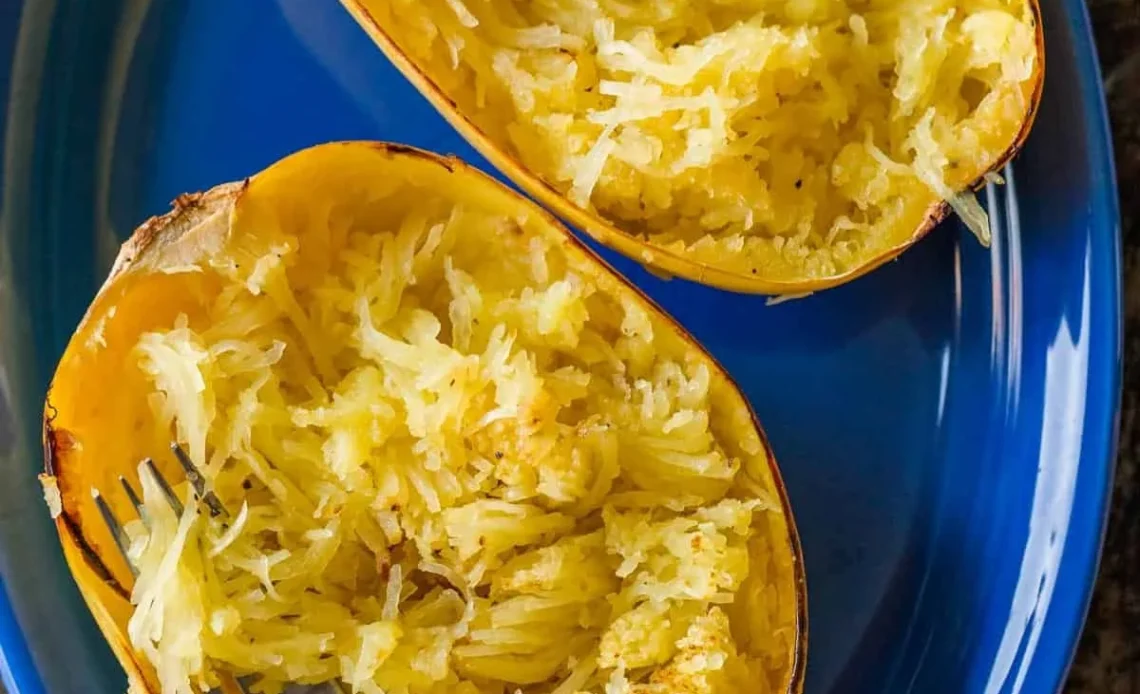
Once the squash is roasted and fork-tender, the flesh can be scraped out with a fork, yielding long strands reminiscent of spaghetti. At this point, it can be combined with a variety of sauces or additional ingredients. For a classic preparation, mix in sautéed garlic, tomato sauce, and herbs until evenly coated.
Step 4 – Cooking and Finishing
Finally, the assembled dish can be baked in the oven briefly to warm everything through (about 10 minutes at 350°F or 175°C) and allow the flavors to meld. Garnish with grated Parmesan cheese and fresh herbs before serving for an authentic and satisfying meal.
Variations and Adaptations of Spaghetti Squash
Regional or Traditional Version
The traditional preparation of spaghetti squash lends itself to various regional adaptations. For example, in southern Italy, it may be served alongside a rich marinara sauce and topped with fresh basil. In contrast, the Mediterranean version often includes feta cheese, olives, and sun-dried tomatoes, creating a vibrant dish that reflects the flavors of the region.
Modern or Revisited Version
Modern adaptations of spaghetti squash recipes are abundant, often tailored to fit contemporary dietary trends. Vegan or plant-based adaptations include using cashew cream or nutritional yeast instead of cheese, while gluten-free diets can benefit from spaghetti squash as a pasta substitute loaded with vegetables.
ANNONCE
Adaptations to Suit Your Tastes
The customizability of spaghetti squash dishes allows for personal adaptations. For instance, adding grilled chicken or shrimp can enhance protein content, while additional veggies like bell peppers, spinach, or kale can increase nutrition. For a spicier dish, incorporate jalapeños or a spicy arrabbiata sauce to suit individual palates.
Frequently Asked Questions about Spaghetti Squash (FAQ)
1. How do I know when spaghetti squash is ripe?
Ripe spaghetti squash should feel firm, have a deep yellow color, and should not have any soft spots or blemishes.
2. Can spaghetti squash be eaten raw?
ANNONCE
While technically safe to eat raw, spaghetti squash is typically cooked to enhance its flavor and texture. Cooking breaks down the fibers, resulting in a more enjoyable eating experience.
3. How do I store leftovers of cooked spaghetti squash?
Cooked spaghetti squash can be stored in an airtight container in the refrigerator for up to four days. To reheat, simply place it in the microwave or warm it on the stove with a bit of oil or sauce.
4. Is spaghetti squash gluten-free?
ANNONCE
Yes, spaghetti squash is naturally gluten-free, making it an excellent alternative for those with gluten sensitivities or celiac disease.
In conclusion, spaghetti squash is not just a delicious and nutritious alternative to pasta but also serves as a canvas for a multitude of culinary expressions. This versatile ingredient is worthy of exploration in both traditional and innovative dishes. By understanding its history, preparation, and variations, home cooks can elevate their meals and contribute to a healthier lifestyle.