
ANNONCE
California Roll Bowls: The Real Traditional Recipe [Distinctive Element]
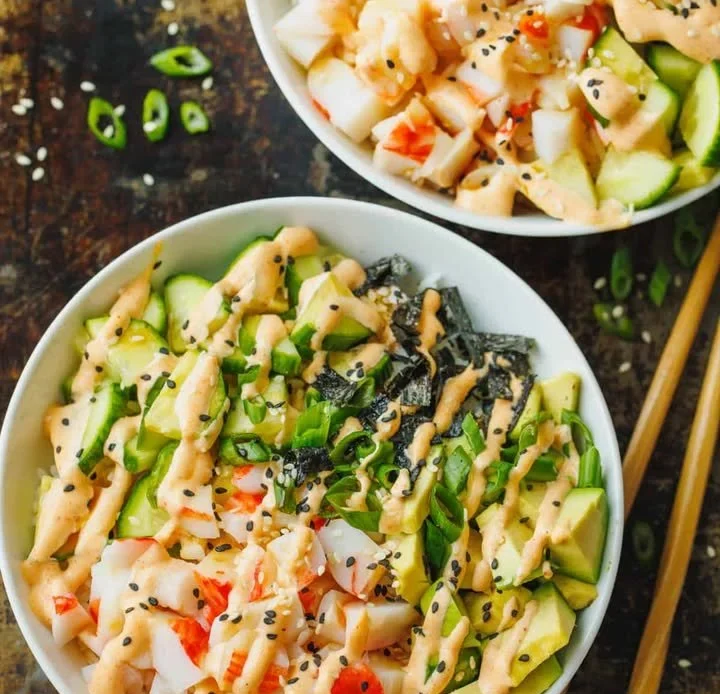
California Roll Bowls are a delightful fusion dish inspired by the traditional California roll sushi. Originating in California, this dish encapsulates the flavors of sushi while embracing a bowl format that makes it versatile and easy to enjoy. This article explores the essential elements that define California Roll Bowls, including their key ingredients, preparation methods, and possible variations.
Why is Fish Roe used in California Roll Bowls?
Fish roe, specifically tobiko (fish eggs), is one of the quintessential ingredients of California Roll Bowls. Its inclusion adds not only visual appeal but also a burst of flavor and texture.
The Benefits and Culinary History of Fish Roe
Fish roe has a long history in Japanese cuisine, often used in various traditional dishes, including sushi. Unlike other seafood, fish roe brings a unique umami flavor and a delightful pop that enhances overall taste. Moreover, fish roe is rich in omega-3 fatty acids, vitamins, and minerals, making it a nutritious addition to meals.
Possible Alternatives to Replace Fish Roe
For those who prefer to avoid fish roe, alternatives such as avocado or finely chopped cucumber can provide a similar texture without compromising the overall appeal of the dish. Additionally, seaweed salad or sesame seeds can enhance flavor while serving as a garnish.
ANNONCE
Ingredients in California Roll Bowls
California Roll Bowls consist of various ingredients that come together to create a cohesive and flavorful dish.
Basic Products
The fundamental components of California Roll Bowls include:
- Sushi rice: Short-grain rice seasoned with vinegar, sugar, and salt.
- Crab meat or imitation crab: The key protein element, contributing flavor and texture.
- Avocado: Creamy and rich, it balances the dish.
- Cucumber: Provides freshness and crunch.
Essential Seasonings or Add-ins
To assemble a well-rounded California Roll Bowl, some crucial seasonings and add-ins include:
- Rice vinegar: Used in seasoning the rice.
- Soy sauce: A traditional accompaniment that enhances flavor.
- Wasabi: Optional, for those who enjoy a spicy kick.
- Sesame seeds: For garnishing and added nuttiness.
Preparation of California Roll Bowls
The preparation of California Roll Bowls is relatively simple and can be completed in a few structured steps.
ANNONCE
Step 1 – Preparing the Ingredients
Begin by cooking the sushi rice according to package instructions. Once cooked, allow the rice to cool slightly before mixing in the seasoned rice vinegar. While the rice cools, prepare the other ingredients by slicing the avocado and cucumber and shredding the crab meat.
Step 2 – Pre-Cooking or Special Preparation
No significant pre-cooking is required, but ensure that all ingredients are fresh. If using imitation crab, it may be chopped into smaller pieces or shredded for better distribution in the bowl.
Step 3 – Mixing and Assembling
In a serving bowl, place a generous scoop of sushi rice at the bottom. Layer the shredded crab, avocado slices, and cucumber atop the rice. For added flavor, drizzle some soy sauce over the top and lightly sprinkle with sesame seeds.
Step 4 – Cooking and Finishing
No further cooking is needed. Instead, allow the flavors to meld by letting the bowls sit for a few minutes before serving. This step ensures that the rice absorbs the flavors of the toppings.
ANNONCE
Variations and Adaptations of California Roll Bowls
There are numerous ways to modify California Roll Bowls to suit different tastes and preferences.
Regional or Traditional Version
In some regions, California Roll Bowls might incorporate additional traditional Japanese ingredients such as pickled ginger or edamame. These enhancements not only elevate the dish’s authenticity but also enrich the flavor profile.
Modern or Revisited Version
Modern takes on this dish may include alternative proteins such as grilled shrimp, tofu, or even smoked salmon. By incorporating trendy ingredients, chefs can cater to contemporary dietary preferences.
Adaptations to Suit Your Tastes
There are various ways to adapt California Roll Bowls for specific dietary needs or preferences:
ANNONCE
- Vegetarian version: Replace crab with marinated tofu or tempeh.
- Light version: Use less rice and more vegetables, creating a healthier and lower-calorie dish.
- Spicy version: Incorporate jalapeños or spicy mayo for those who crave higher heat levels.
Frequently Asked Questions about California Roll Bowls (FAQ)
1. Can I make California Roll Bowls ahead of time?
Yes, components can be prepared in advance. However, it is advisable to assemble the bowl just prior to serving to maintain the freshness of the ingredients, particularly the avocado.
2. Is it necessary to use sushi rice?
While sushi rice is preferred for its texture and flavor, you may substitute with other rice types if sushi rice is unavailable. Remember to season it well to enhance taste.
3. Are there gluten-free options for the soy sauce?
Yes, gluten-free soy sauce alternatives are available, such as tamari, which can be used without sacrificing flavor.
4. What is the best way to store leftovers?
Any leftovers should be stored in an airtight container in the refrigerator. It is recommended to consume within one day for optimal taste and freshness.
ANNONCE
5. Can I add other ingredients?
Absolutely! California Roll Bowls are highly customizable. Feel free to experiment with other toppings like radishes, scallions, or different types of seafood.
In conclusion, California Roll Bowls exemplify a modern interpretation of traditional sushi, offering a myriad of flavors and textures in one bowl. Highly adaptable, this dish can cater to various dietary preferences and encourages creativity in the kitchen. By understanding its key components and preparation, anyone can master this delightful culinary staple.