
ANNONCE
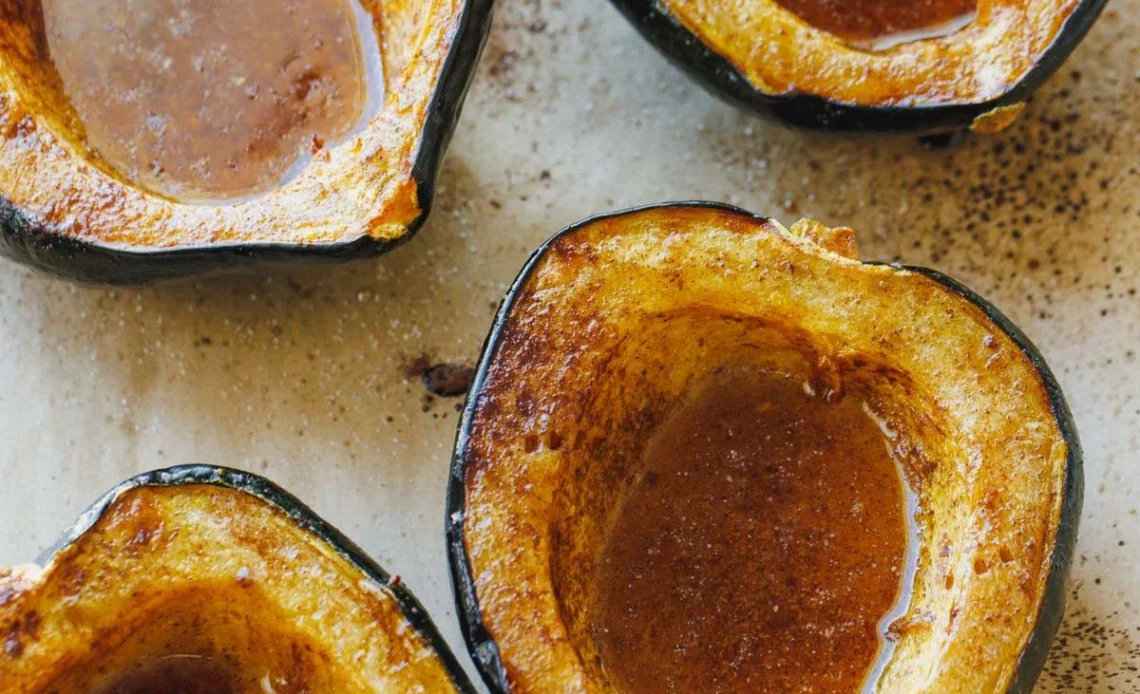
Maple Roasted Acorn Squash: The Real Traditional Recipe
Acorn squash, with its distinct shape and vibrant color, is a staple of autumnal cooking. When complemented with the rich, sweet flavor of maple syrup, it transforms into a culinary delight that echoes the essence of tradition. Maple roasted acorn squash not only showcases the harmony of flavors found in nature but also reflects the long history of cooking methods that utilize simple, fresh ingredients. This article aims to provide a comprehensive guide to creating the perfect maple roasted acorn squash, exploring the key ingredients, preparation methods, and variations of the recipe.
Why is Maple Syrup used in Maple Roasted Acorn Squash?
The Benefits and Culinary History of Maple Syrup
Maple syrup is a natural sweetener derived from the sap of sugar maple trees. Its deep flavor profile comes from the unique compounds produced during the boiling process. Not only does maple syrup add sweetness, but it also enriches dishes with its caramel undertones. Historically, indigenous peoples of North America were the first to discover and utilize maple syrup, creating a tradition that continues to this day.
In addition to its culinary applications, maple syrup boasts several health benefits. It contains antioxidants and possesses a lower glycemic index compared to refined sugars, making it a preferable choice for those seeking alternatives to artificial sweeteners.
Possible Alternatives to Replace Maple Syrup
For those unable to use maple syrup due to dietary restrictions or personal preference, several alternatives can be considered. Honey, agave nectar, or brown sugar can provide similar sweetness, though their flavors may differ. Additionally, for a low-calorie option, stevia or monk fruit sweetener can be employed, although it is essential to adjust the quantities as these alternatives are significantly sweeter than maple syrup.
ANNONCE
Ingredients in Maple Roasted Acorn Squash
Basic Products
To make a traditional maple roasted acorn squash, gather the following primary ingredients:
- 1 medium acorn squash
- 2 tablespoons maple syrup
- 2 tablespoons olive oil
- Salt and pepper to taste
These fundamental components are simple yet crucial for the dish’s success.
Essential Seasonings or Add-ins
While the basic recipe showcases the natural flavors of the squash and maple syrup, several seasonings and add-ins can enhance the dish:
- Ground cinnamon or nutmeg for warmth and depth
- Chopped pecans or walnuts for added texture
- Fresh herbs, such as thyme or rosemary, for a savory touch
Incorporating these elements allows for personal expression while maintaining the recipe’s traditional roots.
ANNONCE
Preparation of Maple Roasted Acorn Squash
Step 1 – Preparing the Ingredients
Begin by thoroughly washing the acorn squash under running water. Cut the squash in half lengthwise and scoop out the seeds with a spoon. To create a decorative and appealing presentation, you may consider cutting the halves into wedges, although this is optional.
Step 2 – Pre-Cooking or Special Preparation
Preheat the oven to 400°F (200°C). To facilitate even roasting, lightly score the flesh of the squash with a knife to allow for better absorption of flavors and even cooking. This step can enhance the caramelization process.
Step 3 – Mixing and Assembling
In a small bowl, mix the maple syrup, olive oil, salt, and pepper. If using optional spices or nuts, add them to the mixture. Place the squash halves or wedges cut-side up on a baking sheet lined with parchment paper. Brush or drizzle the syrup mixture generously over the surfaces.
Step 4 – Cooking and Finishing
Roast the squash in the preheated oven for approximately 25-30 minutes, or until the flesh is tender and lightly caramelized. For an extra touch of flavor, consider broiling the squash for the last few minutes of cooking to achieve a slightly charred finish. Remove from the oven, garnish with fresh herbs or additional toasted nuts, and serve warm.
ANNONCE
Variations and Adaptations of Maple Roasted Acorn Squash
Regional or Traditional Version
Many regions have their own take on this dish. In New England, for example, traditional recipes may incorporate apple cider or cranberries in the cooking process to infuse seasonal flavors representative of the local harvest.
Modern or Revisited Version
In contemporary cooking, chefs often experiment with international flavors, such as adding Asian spices like five-spice powder or serving with a drizzle of tahini for a Middle-Eastern twist. These modern adaptations not only retain the core of the original recipe but also introduce exciting new profiles.
Adaptations to suit your tastes
For those seeking to modify the recipe further:
- Create a vegetarian variant by adding roasted vegetables like Brussels sprouts.
- For a lighter approach, use less maple syrup and substitute some butter with a zero-calorie sweetener.
- Add a kick of heat by sprinkling red pepper flakes over the squash before roasting or incorporating a spicy glaze.
Frequently Asked Questions about Maple Roasted Acorn Squash (FAQ)
Q: How long can I store leftover maple roasted acorn squash?
A: Leftovers can be stored in an airtight container in the refrigerator for up to three days.
ANNONCE
Q: Can I freeze maple roasted acorn squash?
A: Yes, you can freeze the roasted squash, though its texture may change slightly upon thawing. Ensure it is stored in an airtight freezer bag.
Q: What meals pair well with maple roasted acorn squash?
A: The dish complements various proteins, including roasted chicken, pork, or a hearty grain salad, making it an excellent side for festive gatherings or weeknight dinners.
In conclusion, maple roasted acorn squash is a delicious, fulfilling dish that combines tradition with versatility. Exploring its origins and variations enhances the dining experience, allowing each cook to bring their unique flair to this beloved recipe.