
ANNONCE
Deviled Eggs: The Real Traditional Recipe
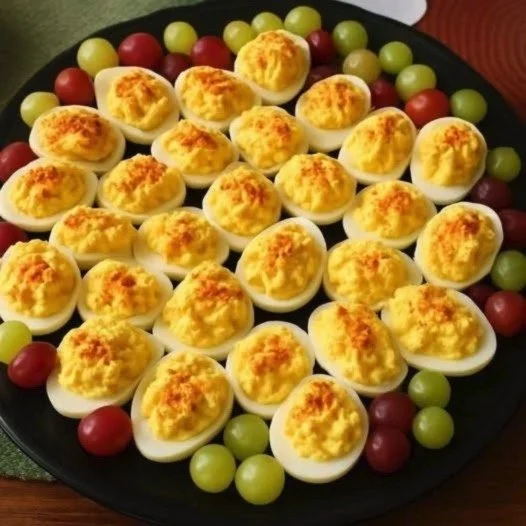
Deviled eggs are a classic appetizer that has penetrated the culinary traditions across many cultures, particularly in Western cuisine. Often served during gatherings, holidays, or picnics, deviled eggs present a simple yet delightful way to entice guests. This article aims to explore the traditional recipe for deviled eggs, dissecting the key ingredients, preparation methods, and variations to enhance your cooking repertoire.
Why is Egg Yolk Used in Deviled Eggs?
The centerpiece of deviled eggs is undoubtedly the egg yolk. Its inclusion is not arbitrary; the egg yolk serves multiple purposes that enhance the flavor and texture of this beloved dish.
The Benefits and Culinary History of Egg Yolk
Egg yolks are rich in essential nutrients such as proteins, fats, vitamins A, D, and several B vitamins. The creaminess they add to the filling makes the mixture smooth and velvety, which contrasts nicely with the firmness of the egg white. Historically, deviled eggs date back to ancient Rome, where they were served as a refined delicacy. Over centuries, various cultures adapted the base recipe, but the fundamental role of the egg yolk has remained consistent.
Possible Alternatives to Replace Egg Yolk
While the traditional deviled egg garners popularity through the use of egg yolks, alternatives exist for dietary restrictions or preferences. For vegans, mashed avocado or silken tofu can offer a similar creamy texture, while incorporating nutrients. For non-vegans, Greek yogurt can provide a tangy substitute while adding protein.
ANNONCE
Ingredients in Deviled Eggs
Making deviled eggs is simple if you gather the right ingredients. Below are the components necessary for crafting this delightful dish.
Basic Products
- Eggs: The foundational element.
- Mayonnaise: Traditionally used for creaminess, it binds the yolk mixture.
- Mustard: Adds a layer of sharp flavor to contrast the yolks.
- Salt and Pepper: Essential seasonings for taste.
Essential Seasonings or Add-ins
Depending on individual preferences, various seasonings can elevate the flavor profile, such as:
- Paprika: Preferably smoked for an extra depth of flavor.
- Vinegar: A splash can add acidity, balancing the richness of the yolks.
- Chives or Green Onions: Used for garnishing, they add freshness.
Preparation of Deviled Eggs
Creating deviled eggs requires a straightforward process marked by several pivotal steps.
Step 1 – Preparing the Ingredients
Start by placing the eggs in a single layer in a saucepan. Add water to cover the eggs by about an inch.
ANNONCE
Step 2 – Pre-Cooking or Special Preparation
Bring the water to a boil, cover the pan, and remove it from heat. Let the eggs sit in the hot water for about 12-15 minutes. Once done, immerse the eggs in an ice bath for five minutes to stop the cooking process. This method aids in easy peeling.
Step 3 – Mixing and Assembling
Peel the eggs and slice them in half lengthwise. Carefully remove the yolks and place them in a bowl. Mash the yolks with mayonnaise, mustard, salt, and pepper until you achieve a smooth consistency. You may incorporate any desired add-ins or spices at this stage.
Step 4 – Cooking and Finishing
Fill the egg white halves with the yolk mixture, using a spoon or piping bag for aesthetics. Sprinkle paprika or your choice of garnishes before serving.
Variations and Adaptations of Deviled Eggs
The traditional deviled egg can be transformed to suit various palates and dietary needs.
ANNONCE
Regional or Traditional Version
In the Southern United States, the addition of sweet pickle relish is a common alteration that provides a sweet contrast to the savory yolk. Adding crumbled bacon can bring an exciting twist that resonates well in this region.
Modern or Revisited Version
Contemporary chefs have reinvented devil eggs by experimenting with flavors. Ingredients such as sriracha, avocado, or even flavored oils can be exciting substitutions that modernize the dish while retaining its essence.
Adaptations to Suit Your Tastes
To cater to dietary preferences, deviled eggs can be made lighter by substituting Greek yogurt for mayonnaise. For those seeking vegetarian options, replace mayonnaise with pureed roasted red peppers or hummus to create a unique flavor dimension. Spicy variants can incorporate jalapeño or harissa for an added kick.
Frequently Asked Questions about Deviled Eggs (FAQ)
Q1: Can deviled eggs be made ahead of time?
ANNONCE
Yes, deviled eggs can be prepared a day before serving. Store them in the refrigerator, covered, to keep them fresh. Assembly, however, is advised just before serving to combat sogginess.
Q2: What is the best way to prevent overcooking eggs?
To avoid a greenish ring around the yolk, make sure to use the ice bath to halt the cooking process immediately and follow the timing instructions carefully.
Q3: Can deviled eggs be frozen?
ANNONCE
It is not recommended to freeze deviled eggs as the texture of the eggs could be negatively affected upon defrosting.
In conclusion, deviled eggs not only offer culinary delight but also open avenues for creative expression. This timeless dish allows for both simple traditional approaches and modern reinterpretations, ensuring it can cater to diverse tastes and occasions. With the insights gleaned from this article, you can confidently prepare and personalize your deviled egg recipe to impress family and friends alike.