
ANNONCE
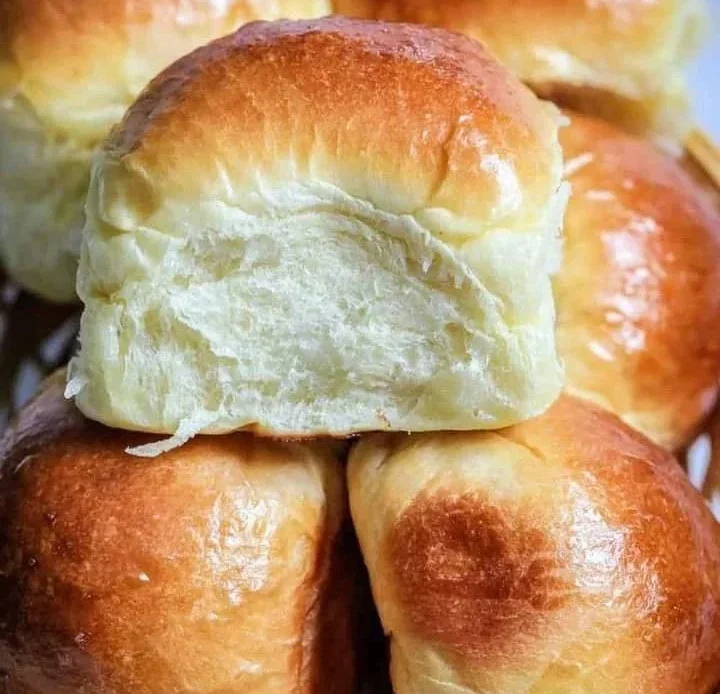
Milk Brioche Rolls: The Real Traditional Recipe [Distinctive Element]
Milk brioche rolls stand as a hallmark of culinary artistry, accessible whether one is an avid baker or a novice in the kitchen. This soft, slightly sweet bread owes its delightful texture and flavor to a few key ingredients and a careful preparation process—a combination that has earned it a cherished place in both traditional and modern gastronomy.
Why is Milk Used in Milk Brioche Rolls?
The Benefits and Culinary History of Milk
Milk functions as an essential ingredient in milk brioche rolls for several reasons. Rich in fats and proteins, milk contributes to the soft crumb and moistness of brioche. It enhances the bread’s nutritional profile by adding calcium and vitamin D alongside essential proteins, which contribute to a tender structure that is both inviting and satisfying.
Historically, the use of milk in bread-making can be traced back to ancient cultures that recognized its value in enhancing the flavor and texture of baked goods. The French, particularly, have revered brioche since its inception in the 16th century. The evolution of recipes has seen a shift toward the incorporation of milk, which not only elevates the loaf’s rich flavor but also serves to tenderize the gluten, resulting in that characteristic pillowy softness.
Possible Alternatives to Replace Milk
For those who are lactose intolerant or prefer a dairy-free diet, several alternatives can seamlessly replace milk in the brioche recipe. Options include:
ANNONCE
- Almond Milk: Light and slightly sweet, making it a suitable substitute.
- Soy Milk: Creamy, with a comparable protein content, soy milk is another viable option.
- Oat Milk: This is particularly recommended for its neutral taste and smooth texture.
- Coconut Milk: While it adds a distinct flavor, it works well in enhancing the brioche’s rich character.
Ingredients in Milk Brioche Rolls
Basic Products
A classic milk brioche roll requires the following foundational ingredients:
- All-Purpose Flour: The backbone of the recipe, it provides the structural element needed for the rolls.
- Active Dry Yeast: This is crucial for leavening, allowing the brioche to rise beautifully.
- Granulated Sugar: This enhances the sweetness and promotes browning during baking.
- Salt: A vital flavor enhancer that balances the sweetness and controls yeast fermentation.
- Eggs: They provide richness and act as a binding agent, contributing to the soft texture.
- Unsalted Butter: A key component that contributes to the luxurious flavor and soft consistency.
Essential Seasonings or Add-ins
Beyond the basic ingredients, the following can enhance the flavors and aromas of milk brioche rolls:
- Vanilla Extract: For added warmth and depth.
- Zest of Citrus: Such as lemon or orange peel can impart a refreshing note.
- Spices: Soft spices like nutmeg or cinnamon can introduce complexity to the flavor profile.
Preparation of Milk Brioche Rolls
Step 1 – Preparing the Ingredients
Begin by gathering all the ingredients and ensuring that they are at room temperature, especially the butter and eggs. This step is crucial as it allows for optimal mixing and incorporation.
Step 2 – Pre-Cooking or Special Preparation
Activate the yeast by mixing it with warm milk and sugar, allowing it to sit until foamy—approximately 5-10 minutes. This step ensures that the yeast is alive and ready to help the dough rise.
ANNONCE
Step 3 – Mixing and Assembling
In a large bowl, combine the flour and salt. Create a well at the center and add the yeast mixture, followed by eggs and melted butter. Using a wooden spoon or a dough mixer, combine until the dough comes together. The dough will be sticky; hence a bench scraper can be handy to assist in kneading.
Step 4 – Cooking and Finishing
Knead the dough on a floured surface for about 10 minutes until it is smooth and elastic. Transfer it to a greased bowl, cover with a cloth, and let it rise in a warm place until doubled in size—approximately 1 to 2 hours.
Once risen, punch it down, divide it into equal portions, and shape each into a roll. Place the rolls in greased baking pans, cover, and give them another hour to rise. Preheat your oven to 350°F (175°C). Bake for 20-25 minutes until golden brown on top. Allow to cool slightly before serving.
Variations and Adaptations of Milk Brioche Rolls
Regional or Traditional Version
In France, variations of brioche exist regionally, reflecting the distinct culinary traditions. The "Brioche de Nanterre," known for its traditional shape, is a popular option.
ANNONCE
Modern or Revisited Version
Today’s bakers experiment with flavors—incorporating herbs, savory cheeses, or even chocolate chips into the dough for a gourmet twist that caters to contemporary palates.
Adaptations to Suit Your Tastes
Milk brioche rolls can also be adapted for various dietary preferences:
- Gluten-Free: Use gluten-free flour blends to create a suitable alternative.
- Whole Wheat Brioche: Substitute part of the all-purpose flour with whole wheat for a nuttier flavor and added nutrients.
- Vegan Brioche: Replace eggs with flaxseed meal and use plant-based butter and milk.
Frequently Asked Questions about Milk Brioche Rolls (FAQ)
Q: How long can I store milk brioche rolls?
A: They can be stored at room temperature for up to three days in a sealed container or freeze them for longer shelf life.
Q: Can I make the dough ahead of time?
A: Yes, you can prepare the dough, let it rise, and then refrigerate it overnight. Shape the rolls in the morning, allow them to rise again, and bake.
ANNONCE
Q: What can I serve with milk brioche rolls?
A: These rolls pair beautifully with butter, jams, or can be used for indulgent sandwiches.
In conclusion, mastering the art of milk brioche rolls not only connects you with culinary traditions but also allows for creative variations that can elevate your baking repertoire. Embrace the process, experiment with flavors, and enjoy the delightful result of your efforts.