
ANNONCE
Rice Flour Sponge Cake: The Real Traditional Recipe
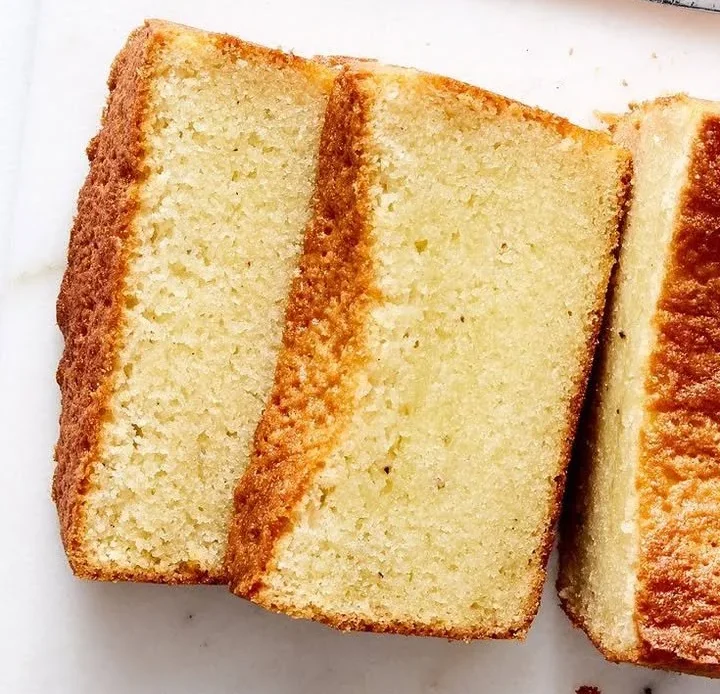
The Rice Flour Sponge Cake is a delightful dessert that captures the essence of traditional baking while infusing a unique twist brought about by the use of rice flour. This cake is light, airy, and adaptable, making it a beloved choice for many celebrations and everyday treats. This article dives into the intricate details of this delightful cake, its history, variations, and preparation methods.
Why is Rice Flour Used in Rice Flour Sponge Cake?
The Benefits and Culinary History of Rice Flour
Rice flour, derived from finely ground rice, is a staple in numerous cuisines around the world, especially in Asia. The use of rice flour dates back centuries, where it has served various purposes, ranging from thickening agents in sauces to the foundation for various desserts and snacks.
From a nutritional standpoint, rice flour is gluten-free, which provides an excellent alternative for those with gluten sensitivity or celiac disease. It is also a source of carbohydrates, vitamins, and minerals, making it a health-conscious choice in baking. Its fine texture contributes to the softness of baked goods, resulting in a spongy, moist cake that melts in your mouth.
Possible Alternatives to Replace Rice Flour
While rice flour is the star of this cake, there are substitutes available, particularly if one wishes to experiment with flavors or textures. Some potential alternatives include:
ANNONCE
- Almond Flour: Offers a nutty flavor and adds moisture but should be used in smaller amounts as it can alter the cake’s structure.
- Coconut Flour: Absorbs more moisture, thus requiring adjustments in liquid ratios.
- All-Purpose Flour: If gluten is not a concern, this common alternative can be used but will change the cake’s texture and browning.
Ingredients in Rice Flour Sponge Cake
Basic Products
Creating a Rice Flour Sponge Cake requires a few fundamental ingredients, including:
- Rice Flour: The main ingredient providing the cake’s texture.
- ** eggs**: Essential for structure, moisture, and leavening.
- Sugar: For sweetness and aiding in the cake’s fluffiness.
- Baking Powder: A leavening agent that helps the cake rise.
- Milk or Alternative: For moisture and richness.
- Oil or Butter: Adds flavor and tenderness.
Essential Seasonings or Add-ins
To elevate the flavor profile of the cake, consider adding:
- Vanilla Extract: For a subtle aromatic sweetness.
- Lemon Zest or Juice: To provide a tangy kick.
- Nutmeg or Cinnamon: For warmth and depth of flavor.
Preparation of Rice Flour Sponge Cake
Step 1 – Preparing the Ingredients
Begin by gathering all the necessary ingredients and ensuring they are at room temperature. This step helps achieve the best texture and ensures even mixing.
Step 2 – Pre-Cooking or Special Preparation
Preheat your oven to 350°F (175°C). Prepare a cake pan by greasing it or lining it with parchment paper to prevent sticking. This is especially crucial for sponge cakes as they can be quite delicate.
ANNONCE
Step 3 – Mixing and Assembling
- In a large mixing bowl, beat the eggs and sugar together until the mixture is pale and fluffy; this process incorporates air, which is vital for the cake’s texture.
- Gradually fold in the rice flour with the baking powder until fully combined. Be gentle to maintain the airiness.
- Add the milk and melted butter or oil into the batter, mixing until the batter is smooth.
- If using, fold in the vanilla extract or other flavorings to enhance the cake.
Step 4 – Cooking and Finishing
Pour the batter into the prepared cake pan and spread it evenly. Bake for approximately 30-35 minutes or until a toothpick inserted into the center comes out clean. Allow the cake to cool before removing it from the pan. Once cooled, it can be served plain, dusted with powdered sugar, or accompanied by fruit and whipped cream for added indulgence.
Variations and Adaptations of Rice Flour Sponge Cake
Regional or Traditional Version
In various regions, such as Southeast Asia, rice flour sponge cakes may include unique ingredients like pandan leaves or coconut milk, imparting a tropical essence that differs from the traditional recipes.
Modern or Revisited Version
Contemporary bakers may incorporate alternative ingredients like almond milk for a dairy-free version or replace typical sugars with healthier sweeteners like honey or agave nectar.
Adaptations to Suit Your Tastes
- Gluten-Free: The base recipe is naturally gluten-free, making it suitable for gluten-free diets.
- Light Versions: Reduce the sugar and oil for a lighter cake.
- Flavor Variations: Increase creativity by adding cocoa powder for a chocolate version or integrating various fruits.
Frequently Asked Questions about Rice Flour Sponge Cake (FAQ)
Q: Can I use regular flour instead of rice flour?
A: Yes, while it changes the cake’s texture and flavor, you can substitute all-purpose flour if gluten is not an issue.
ANNONCE
Q: How can I store the cake?
A: Store the rice flour sponge cake in an airtight container in a cool, dry place for up to three days. For longer storage, refrigerate or freeze.
Q: Can I make this cake ahead of time?
A: Yes, this cake can be prepared in advance and stored in the refrigerator. It will maintain its freshness if sealed properly.
In conclusion, the Rice Flour Sponge Cake is a versatile dessert that marries tradition with modern culinary practices. Its health benefits, unique texture, and adaptability make it a worthy addition to any cake repertoire. By understanding its ingredients, preparation methods, and variations, bakers can create this delightful sponge cake that delights palates and honors its heritage.