
ANNONCE
Deviled Eggs: The Real Traditional Recipe
Deviled eggs are a classic dish that has graced tables at gatherings, parties, and picnics for generations. Their delightful combination of creamy yolks and zesty flavors has made them a go-to appetizer. This article explores the traditional recipe for deviled eggs, highlighting the significance of the key ingredient: eggs.
Why Are Eggs Used in Deviled Eggs?
Eggs serve as the cornerstone of deviled eggs, providing both structure and richness to the dish. As versatile and nutrient-dense foods, eggs contribute to the flavor profile while offering numerous health benefits.
The Benefits and Culinary History of Eggs
Historically, eggs have held a significant place in culinary traditions around the world. They symbolize fertility and new beginnings, often being used in dishes for celebrations and rituals. Nutritionally, eggs are an excellent source of high-quality protein, vitamins, and essential minerals, including Vitamin D, choline, and selenium. The presence of healthy fats in egg yolks adds creaminess to deviled eggs, enhancing the overall taste.
Possible Alternatives to Replace Eggs
For those with dietary restrictions, such as vegans or those allergic to eggs, several alternatives can be utilized to achieve a similar effect. Some popular substitutes include:
ANNONCE
- Silken Tofu: A blended silken tofu mimics the creaminess of the egg yolk and can absorb other flavors.
- Avocado: Mashed avocado offers a rich texture and healthy fats, perfect for a modern twist on deviled eggs.
- Chickpeas: Mashed chickpeas can provide a hearty base and a protein boost, complementing other seasonings and flavors.
Ingredients in Deviled Eggs
To prepare deviled eggs, one must gather a few basic products and essential seasonings.
Basic Products
- Eggs: The primary ingredient; large eggs are typically used.
- Mayonnaise: Adds creaminess and binds the filling.
- Mustard: Provides a tangy flavor; Dijon mustard is a popular choice.
Essential Seasonings or Add-ins
- Salt and Pepper: Basic seasonings to enhance flavor.
- Paprika: For garnish and a hint of smokiness.
- Lemon Juice or Vinegar: Offers acidity to balance the richness.
- Green Onions or Herbs: Such as dill or chives, can be included for freshness.
Preparation of Deviled Eggs
Deviled eggs may seem simple, but they require careful preparation to ensure the best results. Here’s a step-by-step guide to making them.
Step 1 – Preparing the Ingredients
Begin by boiling the eggs. Place eggs in a pot and cover them with cold water. Bring to a boil and then let them simmer for about 9-12 minutes. Once cooked, remove the eggs from the heat and plunge them into an ice bath to stop the cooking process.
Step 2 – Pre-Cooking or Special Preparation
Once the eggs are cooled, peel them gently, ensuring that the whites remain intact. Slice each egg in half lengthwise and carefully extract the yolks into a mixing bowl.
ANNONCE
Step 3 – Mixing and Assembling
In the bowl with the yolks, add desired amounts of mayonnaise, mustard, salt, pepper, and other seasonings. Mix until the filling is smooth and creamy. Adjust seasoning according to taste. Once mixed, spoon or pipe the yolk mixture back into the egg whites.
Step 4 – Cooking and Finishing
Finally, sprinkle the deviled eggs with paprika and garnish with fresh herbs or green onions if desired. Serve chilled or at room temperature for the best taste experience.
Variations and Adaptations of Deviled Eggs
As with many traditional dishes, there are countless variations of deviled eggs that can suit different palates and occasions.
Regional or Traditional Version
In the Southern US, deviled eggs are often made with a hint of sweetness, incorporating ingredients like sweet relish or a touch of sugar, while in some European countries, they may feature unique ingredients such as smoked fish or pickled vegetables.
ANNONCE
Modern or Revisited Version
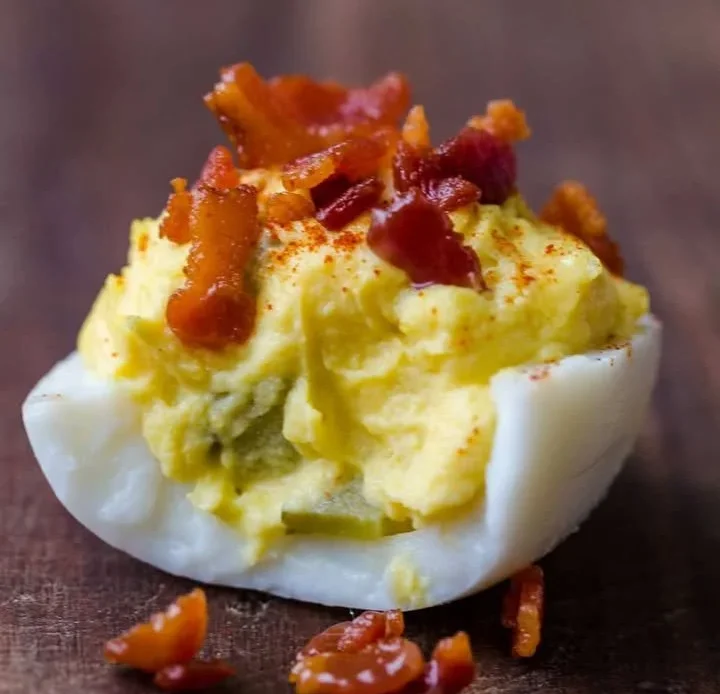
Today, deviled eggs often incorporate trendy ingredients such as sriracha, avocado, or bacon for a modern twist. They can be served in sophisticated styles at upscale events or casual gatherings alike.
Adaptations to Suit Your Tastes
Deviled eggs can easily be adapted to fit a variety of dietary preferences. For instance:
- Vegetarian: Stick to traditional flavors while avoiding meat additions.
- Light: Use Greek yogurt in place of mayonnaise for a healthier version.
- Spicy: Incorporate jalapeños or hot sauce into the filling for a kick.
Frequently Asked Questions about Deviled Eggs (FAQ)
Q: How long can deviled eggs be stored in the refrigerator?
A: Deviled eggs can be stored for up to 2 days in the refrigerator, covered tightly to maintain freshness.
Q: Can I make deviled eggs ahead of time?
A: Yes, you can prepare the filling in advance and assemble them on the day you plan to serve them for the best taste and texture.
ANNONCE
Q: Are deviled eggs gluten-free?
A: Yes, traditional deviled eggs are gluten-free, making them suitable for a variety of dietary preferences.
Q: What is the best way to boil eggs for deviled eggs?
A: To achieve hard-boiled eggs with minimal cracks, start with room temperature eggs, cover them with cold water, and use a gentle boil followed by an ice bath.
Q: Can I use different types of mustard in deviled eggs?
A: Absolutely! Different kinds of mustard, like honey mustard or yellow mustard, can impart unique flavors to the filling.
In conclusion, deviled eggs are a timeless classic that can be enjoyed in a myriad of ways, suitable for both casual and formal occasions. Whether sticking to the traditional recipe or exploring modern variations, their flavor and texture continue to delight many. Enjoying deviled eggs not only brings a savory delight to the palate but also reflects a rich culinary heritage that spans generations.
ANNONCE