
ANNONCE
Classic Cranberry Sauce: The Real Traditional Recipe
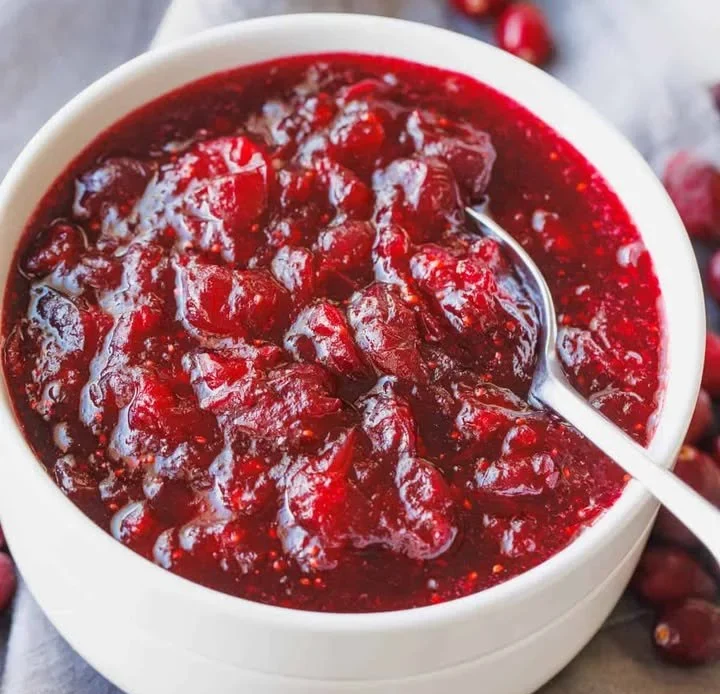
Cranberry sauce is a familiar companion during festive meals, notably Thanksgiving dinners, where it adds a vibrant splash of color and a tart flavor that beautifully complements traditional dishes. This classic condiment is not only cherished for its taste but also for its historical significance and potential health benefits. In this article, we will explore the origins of cranberry sauce, its key ingredients, preparation methods, variations, and answer some frequently asked questions about this seasonal favorite.
Why is Cranberry Used in Classic Cranberry Sauce?
The Benefits and Culinary History of Cranberry
Cranberries, indigenous to North America, have been consumed by Native American tribes for centuries. These small, tart berries are rich in antioxidants, particularly vitamin C, and have been linked to numerous health benefits, including improved urinary tract health and reduced inflammation. Historically, cranberries were often used for medicinal purposes in addition to being a food source.
In culinary traditions, cranberries have evolved from a wild fruit used in stews to a sweet condiment, transforming dining experiences with their unique flavor profile. The transition to the sweetened version of cranberry sauce began in the 19th century, coinciding with the introduction of sugar into American kitchens, allowing for the creation of the iconic dish we enjoy today.
Possible Alternatives to Replace Cranberry
For those unable to find cranberries or seeking different flavors, various substitutes can be used to create a similar sauce. Pomegranate seeds offer a fruity and slightly tart flavor reminiscent of cranberries. Tart cherries and red currants can also work well in creating a sauce with a comparable taste and texture.
ANNONCE
Ingredients in Classic Cranberry Sauce
Basic Products
To prepare an authentic classic cranberry sauce, you’ll need the following basic ingredients:
- Fresh or frozen cranberries (about 12 ounces)
- Granulated sugar (1 cup)
- Water (1 cup)
Essential Seasonings or Add-ins
While the basic recipe is delicious in its simplicity, several additions can enhance the flavor:
- Orange zest or juice adds citrus notes that balance the tartness.
- Ground cinnamon or nutmeg introduces warmth and spice.
- A splash of vanilla extract can infuse a sweet aroma.
- Chopped walnuts or pecans provide a crunchy texture.
Preparation of Classic Cranberry Sauce
Step 1 – Preparing the Ingredients
Start by rinsing the cranberries thoroughly under cold water to remove any impurities. Discard any cranberries that are soft or bruised. If utilizing fresh berries, a quick soak in water can help revitalize them prior to cooking.
Step 2 – Pre-Cooking or Special Preparation
Once the cranberries are cleaned, combine water and sugar in a medium saucepan over medium heat. Stir until the sugar dissolves completely to create a syrup. As the mixture boils, add the cranberries.
ANNONCE
Step 3 – Mixing and Assembling
As the cranberries begin to cook, they will burst open, releasing their natural juices. Stir occasionally to ensure even cooking. Add any desired seasonings or additions, such as citrus zest or spices, to blend in the flavors.
Step 4 – Cooking and Finishing
Allow the sauce to simmer for about 10-15 minutes, or until it reaches a thick, syrupy consistency. Remove it from heat and let it cool before transferring it to a serving dish. The sauce will thicken further as it cools. Adjust the sweetness by adding more sugar if preferred.
Variations and Adaptations of Classic Cranberry Sauce
Regional or Traditional Version
In the Northeast United States, it’s common to find a spiced version of cranberry sauce utilizing spices such as cloves and allspice, which reflect the local autumn harvest.
Modern or Revisited Version
Contemporary chefs often experiment with components like ginger or jalapeño, providing an innovative twist with heat or warmth that enhances the traditional tartness.
ANNONCE
Adaptations to Suit Your Tastes
Classic cranberry sauce can easily be tailored to suit different dietary preferences.
- Vegetarian/Vegan: The traditional recipe is already vegan-friendly; however, those seeking alternatives to sugar (like honey or maple syrup) should consider the sweetness level.
- Light Variants: For a lighter take, reduce sugar to taste, or explore options like low-calorie sweeteners.
- Spicy Options: Incorporate fresh jalapeños, chili powder, or ginger for a zesty kick to contrast with traditional sweetness.
Frequently Asked Questions about Classic Cranberry Sauce (FAQ)
Q1: Can I make cranberry sauce ahead of time?
A: Yes, cranberry sauce can be made several days in advance. Store it in an airtight container in the refrigerator for up to one week.
Q2: Can I freeze cranberry sauce?
A: Absolutely! Cranberry sauce freezes well. It can be stored in an airtight container for up to 2 months. Thaw overnight in the refrigerator before serving.
Q3: How can I adjust the tartness of my sauce?
A: The tartness of cranberry sauce can be adjusted by varying the amount of sugar. Taste the sauce while cooking and incrementally add sugar until achieving the desired flavor.
ANNONCE
Q4: What dishes pair well with cranberry sauce?
A: Classic cranberry sauce pairs excellently with roasted turkey, ham, or even as a spread for sandwiches. It also complements various cheese platters beautifully.
In conclusion, classic cranberry sauce is more than just a condiment; it embodies tradition, history, and culinary creativity. By understanding its ingredients, preparations, and various modifications, one can appreciate and elevate this time-honored recipe, making it a staple in both festive and everyday meals.