
ANNONCE
Honey Castella Cake: The Real Traditional Recipe
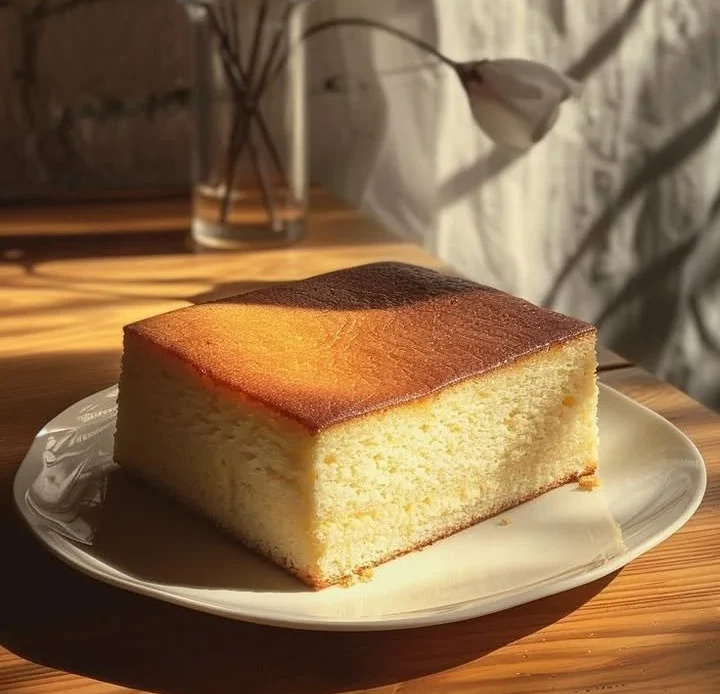
Honey Castella Cake, a delicately fluffy dessert hailing from Japan, is a beloved treat renowned for its sponge-like texture and subtle sweetness. Often enjoyed with tea or coffee, this cake is characterized by its vibrant honey flavor and moist consistency, making it a favorite among cake enthusiasts. This article explores the significance of honey in this traditional recipe, the essential ingredients, the step-by-step preparation process, and all the delightful variations one can try.
Why is Honey Used in Honey Castella Cake?
Honey is a fundamental ingredient in Honey Castella Cake, not just for its flavor but also for its unique properties that enhance the cake’s texture and moisture.
The Benefits and Culinary History of Honey
Honey serves as a natural sweetener, contributing a distinct flavor profile that is more complex than sugar. Its binary composition of glucose and fructose lends itself to a moisture-preserving quality, ensuring that the Castella remains soft and fresh longer. Furthermore, honey’s origins date back thousands of years, making it a historical component of various cultures’ cuisines. In Japanese culinary art, honey has been used not only for its sweetness but also for its association with harmony and natural balance.
Possible Alternatives to Replace Honey
While honey is a cherished ingredient in this recipe, substitutes can be considered for dietary restrictions or personal preferences. Maple syrup or agave nectar can provide a similar sweetness, although they may alter the cake’s flavor slightly. For a non-sweet alternative, one might employ fruit purees or even a stevia-based sweetener, though the resulting texture may vary.
ANNONCE
Ingredients in Honey Castella Cake
Creating an authentic Honey Castella Cake requires a careful selection of ingredients that contribute to its unique flavor and texture.
Basic Products
- Eggs: Integral for the cake’s lift and structure.
- Cake Flour: Offers a lighter texture compared to all-purpose flour.
- Sugar: Balances out the cake’s moisture and enhances sweetness.
- Honey: Provides the signature flavor and moisture.
- Milk: Adds richness to the batter.
Essential Seasonings or Add-ins
- Vanilla Extract: Enhances the cake’s flavor.
- Salt: Balances sweetness and amplifies overall taste.
Preparation of Honey Castella Cake
The method of preparing Honey Castella Cake is straightforward yet requires attention to detail to achieve the perfect texture.
Step 1 – Preparing the Ingredients
Begin by gathering all the ingredients, ensuring they are at room temperature. This step is crucial as it helps in achieving a smooth batter. Preheat your oven to 320°F (160°C) and prepare a loaf pan by lining it with parchment paper.
Step 2 – Pre-Cooking or Special Preparation
Whisk eggs in a large bowl until they become frothy. Gradually add sugar and honey, continuing to whisk until the mixture thickens and lightens in color. This process is essential for incorporating air into the batter, which contributes to the cake’s fluffiness.
ANNONCE
Step 3 – Mixing and Assembling
Sift the cake flour and salt together to ensure no lumps. Gently fold the dry ingredients into the egg mixture in batches, alternating with milk. Be careful not to over-mix, as this can deflate the air bubbles formed earlier. The final batter should be smooth and slightly thick.
Step 4 – Cooking and Finishing
Pour the batter into the prepared loaf pan, smoothing the top for an even bake. Place the pan in a water bath within the preheated oven, which prevents the cake from drying out. Bake for approximately 50-60 minutes until a toothpick inserted in the center comes out clean. Let the cake cool in the pan for about 10 minutes before transferring it to a wire rack for complete cooling.
Variations and Adaptations of Honey Castella Cake
This traditional recipe lends itself wonderfully to adaptations, allowing bakers to explore diverse flavor profiles.
Regional or Traditional Version
In Japan, there are various versions of Castella, often incorporating seasonal flavors or local ingredients. For instance, matcha, a finely ground green tea powder, can be added for an earthy twist familiar to Japanese palates.
ANNONCE
Modern or Revisited Version
Contemporary bakers may experiment with ingredients like flavored extracts (such as almond or citrus) or adding a layer of fruit preserves between the cake and the frosting, offering a modern take while maintaining the cake’s classic essence.
Adaptations to Suit Your Tastes
For those with dietary preferences, the traditional Honey Castella can easily be made gluten-free by substituting cake flour with a gluten-free blend. Additionally, consider reducing the sugar for a lighter variant, or infusing the cake with spices like cinnamon or nutmeg for a seasonal flavor.
Frequently Asked Questions about Honey Castella Cake (FAQ)
Q: Can I use regular flour instead of cake flour for this recipe?
A: While cake flour is preferred for its low protein content, you can use all-purpose flour if necessary. Just be mindful that the texture may be denser.
Q: How long does Honey Castella Cake stay fresh?
A: When stored properly in an airtight container, Honey Castella Cake can remain fresh for up to 3-5 days. For prolonged freshness, consider refrigerating it.
ANNONCE
Q: Is it possible to freeze Honey Castella Cake?
A: Yes, you can freeze the cake. Wrap it tightly in plastic wrap and then foil to prevent freezer burn. To serve, thaw it in the refrigerator overnight.
In conclusion, Honey Castella Cake is a traditional delicacy that brings joy and a taste of Japanese culture to any dining table. By understanding the key ingredients, mastering the preparation process, and exploring various adaptations, one can truly appreciate this delightful dessert. Whether enjoyed as part of a tea ceremony or as a comforting snack, Honey Castella Cake remains a timeless classic in the world of baked goods.