
ANNONCE
Italian Christmas Cookies: The Real Traditional Recipe
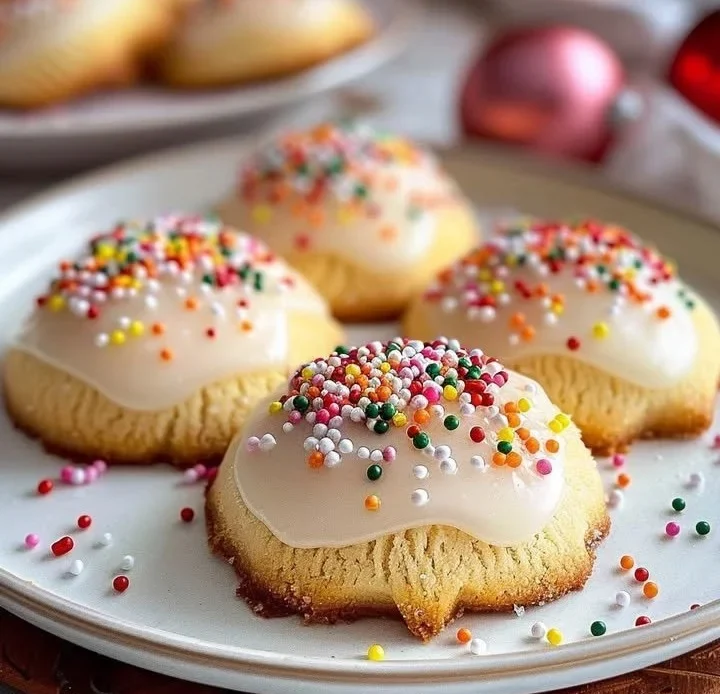
Italian Christmas cookies, known in their homeland as "biscotti di Natale," are a delightful holiday treat that captures the festive spirit and culinary heritage of Italy. Each region of Italy has its unique spin on these beloved cookies, which are often infused with aromatic spices, nuts, and dried fruits, bringing warmth and joy during the winter festivities. This article delves into the traditional recipe, exploring its key ingredients, preparation methods, variations, and more.
Why is Flour Used in Italian Christmas Cookies?
Flour serves as the fundamental building block of any cookie dough, providing structure and texture. In Italian Christmas cookies, flour is particularly important as it interacts with the other ingredients to create a harmonious balance that results in a deliciously tender and flavorful treat.
The Benefits and Culinary History of Flour
Flour is derived from milling grains, primarily wheat, and has been a staple in Italian cuisine since ancient times. Its versatility is unmatched, acting as a binding agent that gives cookies their characteristic shape. In the context of Italian Christmas cookies, flour not only provides structural integrity but also invites the other ingredients to shine, making it a crucial component in the recipe.
Historically, areas with robust agricultural practices in Italy are noted for their use of locally sourced grains, resulting in distinct variations of flour that contribute to unique regional recipes. The influence of this rich history is palpable in traditional cookie recipes, which often have deep-rooted local ties.
ANNONCE
Possible Alternatives to Replace Flour
For those needing gluten-free options or looking to explore alternative grains, several substitutes can be used. Almond flour, coconut flour, or a gluten-free flour blend can provide similar textures while introducing their unique flavors. Each alternative will yield different results; thus, it may be necessary to adjust the quantities or add binding agents like xanthan gum to retain the cookie’s integrity.
Ingredients in Italian Christmas Cookies
To prepare authentic Italian Christmas cookies, understanding both the basic products and the essential seasonings is vital.
Basic Products
- Flour: All-purpose flour is typically used; however, variations may include semolina or almond flour.
- Sugar: Granulated sugar is standard, while powdered sugar is often used for dusting the finished cookies.
- Butter: Softened butter contributes richness and flavor to the dough.
- Eggs: Eggs add moisture and help bind the ingredients together.
- Baking powder: This leavening agent allows the cookies to rise slightly.
Essential Seasonings or Add-ins
Seasonings elevate the flavor profile of Italian Christmas cookies. Some common additions include:
- Vanilla extract: Provides a warm, sweet flavor.
- Almond extract: Often paired with a variety of nuts, it lends an aromatic note.
- Citrus zest: Lemon or orange zest can add freshness and brightness to the cookies.
- Nuts and dried fruits: Almonds, walnuts, or candied fruits inject texture and a burst of flavor.
Preparation of Italian Christmas Cookies
Creating Italian Christmas cookies requires precision and care, resulting in treats that are not only delicious but also representative of rich culinary traditions.
ANNONCE
Step 1 – Preparing the Ingredients
Begin by carefully measuring out all the ingredients. Room-temperature butter and eggs incorporate better into the dough, ensuring a smooth mixture. Preheat the oven to the required temperature—as cookies often benefit from being baked at a slightly lower heat to allow for even cooking.
Step 2 – Pre-Cooking or Special Preparation
If using nuts, toast them lightly in a dry pan to enhance their flavor before incorporating them into the dough. Any dried fruits should be chopped into small pieces to ensure they distribute evenly throughout the cookies.
Step 3 – Mixing and Assembling
In a large bowl, cream the softened butter and sugar until light and fluffy. Incorporate the eggs, one at a time, mixing well after each addition. Gradually add the flour, baking powder, and chosen seasonings to create a cohesive dough. Be careful not to overmix, as this can lead to tough cookies.
Step 4 – Cooking and Finishing
Form the dough into small balls or use cookie cutters for desired shapes and place on a parchment-lined baking sheet. Bake until lightly golden, allowing them to cool on a wire rack. For an added festive touch, dust with powdered sugar before presenting them at the holiday table.
ANNONCE
Variations and Adaptations of Italian Christmas Cookies
Italian Christmas cookies allow for a variety of interpretations depending on regional preferences, dietary needs, or personal tastes.
Regional or Traditional Version
In Naples, for instance, "struffoli," or honey balls, are a beloved variant. These small, deep-fried dough balls are coated in honey and often decorated with colorful sprinkles, showcasing the vibrancy of Italian Christmas traditions.
Modern or Revisited Version
Modern adaptations may include flavors such as matcha or chocolate to cater to contemporary tastes. Chefs may also play with the texture, creating chewy or crispy versions that highlight different aspects of the cookie’s appeal.
Adaptations to Suit Your Tastes
For those who prefer a healthier option, coconut or almond flours could be employed as substitutes for all-purpose flour, and sugar alternatives may be selected to lower the caloric content. Additionally, vegan adaptations can be made by substituting eggs with flaxseed or applesauce and butter with plant-based alternatives.
ANNONCE
Frequently Asked Questions about Italian Christmas Cookies (FAQ)
What is the shelf life of Italian Christmas cookies?
Italian Christmas cookies can typically last up to two weeks when stored in an airtight container at room temperature. For extended freshness, consider freezing them for up to three months.
Can I make these cookies in advance?
Yes! Italian Christmas cookies can be made ahead of time, allowing flavors to develop further while saving you precious time during the holiday rush.
How do I ensure my cookies are perfectly baked?
Baking times may vary based on your oven and the size of the cookies. It’s best to keep an eye on them during the final minutes. The cookies should be lightly golden at the edges; transferring them to a cooling rack promptly will also prevent them from over-baking.
In conclusion, Italian Christmas cookies embrace the richness of their culinary traditions while offering adaptability for contemporary palates. With a few simple, quality ingredients and attention to detail, you can create a festive treat that embodies the spirit of celebration. Whether you opt for traditional recipes or put your own creative twist, these cookies are certain to enrich your holiday celebrations and delight family and friends alike.
ANNONCE