ANNONCE
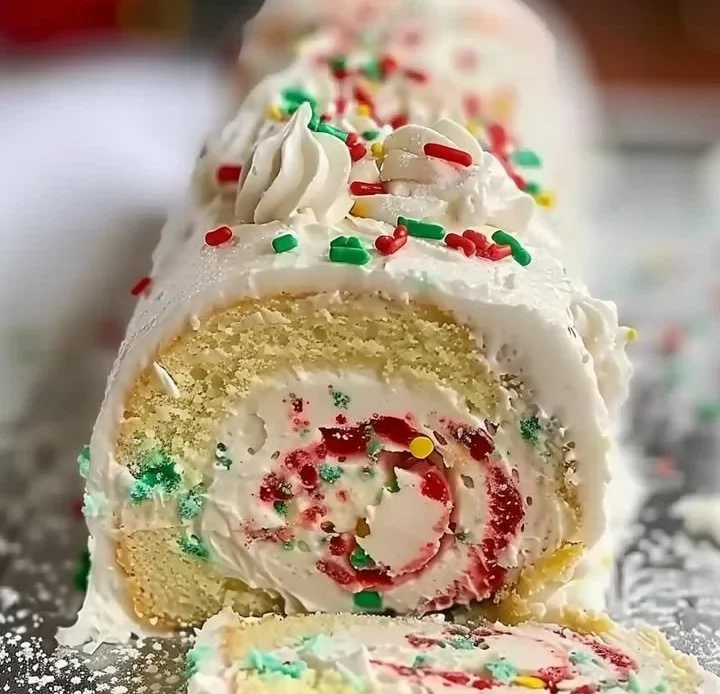
Vanilla Christmas Roll Cake: The Real Traditional Recipe [Distinctive Element]
The Vanilla Christmas Roll Cake, also known as the Swiss roll or jelly roll, is a beloved dessert during the holiday season. Its light sponge cake, filled with frosting or cream and rolled into a delicate cylinder, offers both aesthetic appeal and mouth-watering flavor. In this article, we will delve into the traditional components of this delightful recipe, exploring its key ingredients, preparation steps, variations, and frequently asked questions to give you a comprehensive guide to creating your own Vanilla Christmas Roll Cake.
Why is Vanilla Used in Vanilla Christmas Roll Cake?
The Benefits and Culinary History of Vanilla
Vanilla is the primary flavoring in Vanilla Christmas Roll Cake, providing a sweet, fragrant, and creamy undertone. Tracing its origins back to the Totonac people of Mexico, vanilla was introduced to Europe in the 16th century and became a luxurious spice favored by many cultures. Beyond its delightful flavor, vanilla exhibits several health benefits. It contains antioxidants that may combat free radicals, has mood-enhancing properties that can alleviate stress, and possesses anti-inflammatory and antibacterial qualities.
Possible Alternatives to Replace Vanilla
While vanilla is integral to flavoring a Vanilla Christmas Roll Cake, there are several alternatives for those seeking different flavor profiles or for those with allergies. Almond extract or a dash of citrus zest can be used for a unique taste. Additionally, flavored foams or syrups, such as hazelnut or chocolate, can add depth and complexity to the recipe, though they veer from the traditional flavor profile of vanilla.
Ingredients in Vanilla Christmas Roll Cake
Basic Products
- All-purpose flour: This forms the bulk of the sponge cake, providing the necessary structure.
- Eggs: They add moisture and act as a binding agent, creating a fluffy texture.
- Granulated sugar: Essential for sweetness and aiding in the aeration of the batter.
- Baking powder: This acts as a leavening agent, helping the cake to rise.
- Vanilla extract: The hallmark flavoring of this cake.
- Milk: It moistens the batter and contributes to a tender crumb.
- Salt: A small amount enhances the overall flavor of the cake.
Essential Seasonings or Add-ins
- Powdered sugar: This is used to dust the cake or as part of the frosting.
- Heavy cream: For whipping into a light filling, it adds richness to the dessert.
- Butter: Unsalted butter is often used in the frosting for creaminess.
Preparation of Vanilla Christmas Roll Cake
Step 1 – Preparing the Ingredients
Start by preheating your oven to 375°F (190°C). Grease a 15×10 inch jelly roll pan and line it with parchment paper to prevent sticking. Gather all your ingredients, ensuring that eggs are at room temperature for better aeration, which contributes to a lighter cake.
ANNONCE
Step 2 – Pre-Cooking or Special Preparation
Sift together the flour, baking powder, and salt in a bowl. This step aerates the flour and ensures even distribution of the baking powder. In a separate bowl, whisk the eggs and granulated sugar until the mixture turns pale and thick, indicating proper aeration. Fold in the sifted flour mixture.
Step 3 – Mixing and Assembling
Gently fold the milk and melted butter into the egg-sugar mixture, followed by vanilla extract. Avoid overmixing to preserve the fluffiness of the batter. Pour the batter evenly into the prepared pan, smoothing the surface. Bake for approximately 10-12 minutes, or until a toothpick inserted into the center comes out clean.
Step 4 – Cooking and Finishing
Once baked, remove the cake from the oven and let it cool slightly in the pan. While still warm, place a kitchen towel on top of the cake, sprinkle with powdered sugar, and invert the cake onto the towel. Carefully peel off the parchment paper and roll the cake tightly with the towel from one end to the other. Allow it to cool in this rolled shape for about 30 minutes. Finally, unroll the cake gently, spread your filling—such as whipped cream or buttercream—return to a rolled shape, and dust with more powdered sugar for presentation.
Variations and Adaptations of Vanilla Christmas Roll Cake
Regional or Traditional Version
Many cultures have their take on the roll cake. For example, the "Bûche de Noël," a French Yule log cake, incorporates chocolate flavors and marzipan decorations, making it a festive centerpiece.
ANNONCE
Modern or Revisited Version
Food trends have encouraged variations such as matcha, pumpkin spice, or even red velvet roll cakes, adapting traditional elements to contemporary tastes while allowing for creative expression.
Adaptations to Suit Your Tastes
For those interested in adapting the recipe to suit dietary needs, consider making a gluten-free version by substituting all-purpose flour with a gluten-free blend. Vegan adaptations can replace eggs with flaxseed meal and use plant-based milk and cream alternatives.
Frequently Asked Questions about Vanilla Christmas Roll Cake (FAQ)
-
Can I prepare the cake in advance?
Yes, the cake can be baked and rolled within a day or two before serving. Just store it in an airtight container in the refrigerator. -
How do I prevent the cake from cracking?
Ensuring your batter is light and airy and rolling the cake while warm helps minimize cracking. Additionally, avoid overbaking, as this can dry out the cake. -
What fillings can I use apart from whipped cream?
Cream cheese frosting, fruit preserves, or even chocolate ganache are excellent alternatives for the filling. -
Can I freeze leftover cake?
Yes, you can freeze the roll cake. Wrap it tightly in plastic wrap and aluminum foil, and store it in the freezer for up to three months.
In conclusion, the Vanilla Christmas Roll Cake not only brings joy to festive gatherings but also carries with it a rich history and adaptability to various culinary contexts. By employing traditional methods while embracing innovative variations, anyone can create a delightful dessert that honors the spirit of the season.