
ANNONCE
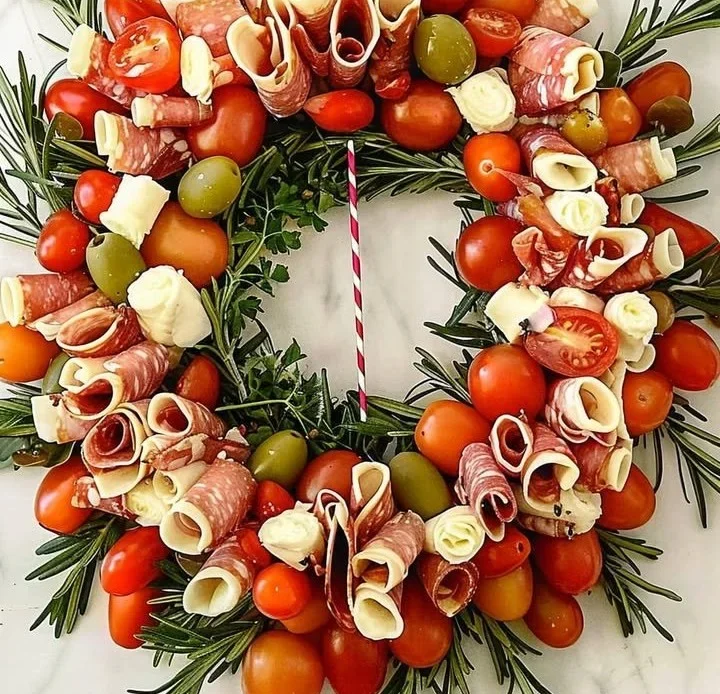
Antipasto Wreath Charcuterie Board: The Real Traditional Recipe [Distinctive Element]
Charcuterie boards have become a staple in contemporary dining, celebrated for their enticing visuals and a diverse array of flavors. Among the various incarnations of these edible displays, the Antipasto Wreath Charcuterie Board stands out as a festive and appealing choice. This Italian-inspired dish not only feeds the palate but also feeds into a rich culinary history, showcasing the art of preparing antipasto. In this article, we will explore the nuances of this beloved recipe, the key ingredients involved, and how to create a stunning Antipasto Wreath Charcuterie Board that is sure to impress.
Why is Antipasto Used in the Antipasto Wreath Charcuterie Board?
The Benefits and Culinary History of Antipasto
Antipasto, which translates to "before the meal," is an Italian tradition that dates back to the Roman Empire. It signifies the opening course of a meal and often consists of various cured meats, cheeses, olives, and vegetables. This course serves multiple purposes: it stimulates the appetite and allows diners to savor a variety of flavors before the main dish. Moreover, antipasto embodies the Italian philosophy of enjoying food in a leisurely and communal manner.
The ingredients used in antipasto deliver not only rich flavors but also nutritional benefits. For instance, cured meats such as prosciutto and salami provide essential proteins and iron, while olives and marinated vegetables contribute healthy fats and vitamins. The emphasis on fresh produce enhances the overall health profile of the antipasto, making it a wholesome choice for any gathering.
Possible Alternatives to Replace Antipasto
While antipasto is a delightful combination of ingredients, many people may want to customize their charcuterie boards based on dietary preferences. Possible alternatives include:
ANNONCE
- Vegetable Antipasto: Swap in a selection of grilled or raw vegetables such as bell peppers, artichokes, and zucchini.
- Cheese-Only Antipasto: Focus solely on a variety of cheeses, complemented by nuts and fruits for added texture and flavor.
- Vegan Options: Use plant-based cheeses and a selection of marinated tofu or seitan instead of meats.
Ingredients in Antipasto Wreath Charcuterie Board
Basic Products
Creating an Antipasto Wreath Charcuterie Board requires several staple ingredients. Here is a comprehensive list:
- Cured Meats: Prosciutto, salami, and capicola.
- Cheeses: Mozzarella balls, provolone, and aged Parmesan.
- Vegetables: Cherry tomatoes, marinated artichokes, and roasted red peppers.
- Olives: A blend of green and black olives for varied taste.
- Nuts: Mixed nuts or marcona almonds for crunch.
Essential Seasonings or Add-ins
Enhancing the flavors of the Antipasto Wreath includes selecting the right seasonings and garnishes:
- Herbs: Fresh basil and parsley provide aromatic qualities.
- Dips: Olive tapenade or pesto can add depth of flavor.
- Balsamic Glaze: A drizzle of this reduces sweetness for a tangy finish.
Preparation of Antipasto Wreath Charcuterie Board
Step 1 – Preparing the Ingredients
To begin with, ensure that all ingredients are well-prepared. Slice the cured meats into bite-sized pieces, and cut the cheeses into wedges or cubes. Wash the vegetables, and if you’re using marinated items, drain any excess liquid to maintain the presentation of the wreath.
Step 2 – Pre-Cooking or Special Preparation
Some ingredients may require preliminary preparation:
ANNONCE
- Roasting: Roast vegetables, such as bell peppers, to enhance their sweetness and texture.
- Seasoning: If using fresh vegetables, lightly toss them in olive oil, salt, and herbs for added flavor.
Step 3 – Mixing and Assembling
Assemble the wreath on a large, round platter or a wooden board:
- Start by placing a circular base, usually created with cheese roundels or clusters of olives, forming a ring.
- Alternate between layers of meats, cheeses, and vegetables, presenting them in an aesthetically pleasing manner to create the wreath shape.
- Fill any gaps with nuts and smaller treats, such as cherry tomatoes or grapes, for added color and variety.
Step 4 – Cooking and Finishing
While the Antipasto Wreath does not require cooking, finishing touches enhance its beauty:
- Drizzle olive oil and balsamic glaze over the top layer.
- Garnish with fresh herbs, scattered artfully across the board.
Variations and Adaptations of Antipasto Wreath Charcuterie Board
Regional or Traditional Version
In various regions of Italy, antipasto may differ widely based on local ingredients. A traditional version may focus on specific meats and cheeses native to the region, such as speck in Northern Italy or ‘nduja in Southern Italy. Incorporating local favorites elevates the authenticity of the dish.
Modern or Revisited Version
The modern take on antipasto boards often includes more playful combinations of flavors and textures. Incorporating seasonal ingredients can reinvent the dish. For instance, adding seasonal fruits like figs or pomegranates and contemporary cheeses, such as goat cheese or feta, reflects a modern sensibility.
ANNONCE
Adaptations to Suit Your Tastes
Ultimately, the beauty of the Antipasto Wreath Charcuterie Board lies in its versatility. Consider the following adaptations:
- Vegetarian: Remove meat entirely and replace it with a broader selection of cheeses and marinated vegetables.
- Lightened Version: Choose low-fat alternatives for cheese and select smaller portions of high-calorie items to create a health-conscious version.
- Spicy Addition: Include spicy calabrese or pepperoncini peppers to give the board added heat.
Frequently Asked Questions about Antipasto Wreath Charcuterie Board (FAQ)
Q1: How far in advance can I prepare the Antipasto Wreath?
A1: You can prepare the ingredients a day in advance; however, assemble the board closer to serving time to maintain freshness.
Q2: Can I make an Antipasto Wreath for a large group?
A2: Absolutely! Doubling the ingredients is an excellent way to cater to larger gatherings, ensuring everyone enjoys a portion.
Q3: How should I serve the Antipasto Wreath?
A3: Serve it with a variety of accompaniments such as breadsticks, crackers, or slices of baguette for guests to enjoy alongside the selection.
ANNONCE
In conclusion, the Antipasto Wreath Charcuterie Board is a delightful culinary centerpiece that reflects the spirit of communal dining and creativity. Whether adhering to tradition or experimenting with modern variations, it embodies the essence of delicious Italian cuisine that captivates both the eyes and the palate.
ANNONCE
Antipasto Wreath Charcuterie Board
Ingredients
Method
- Slice the cured meats into bite-sized pieces and cut the cheeses into wedges or cubes. Wash the vegetables and drain any excess liquid from marinated items.
- Roast vegetables, like bell peppers, to enhance their sweetness and texture. If using fresh vegetables, lightly toss them in olive oil, salt, and herbs for added flavor.
- Assemble the wreath on a large, round platter or a wooden board, starting with a circular base made of cheese roundels or clusters of olives.
- Alternate layers of meats, cheeses, and vegetables to form a wreath shape, filling gaps with nuts and smaller treats like cherry tomatoes.
- Drizzle olive oil and balsamic glaze over the top layer and garnish with fresh herbs scattered artfully across the board.
Notes